Art Nouveau Architecture and Decorative Design
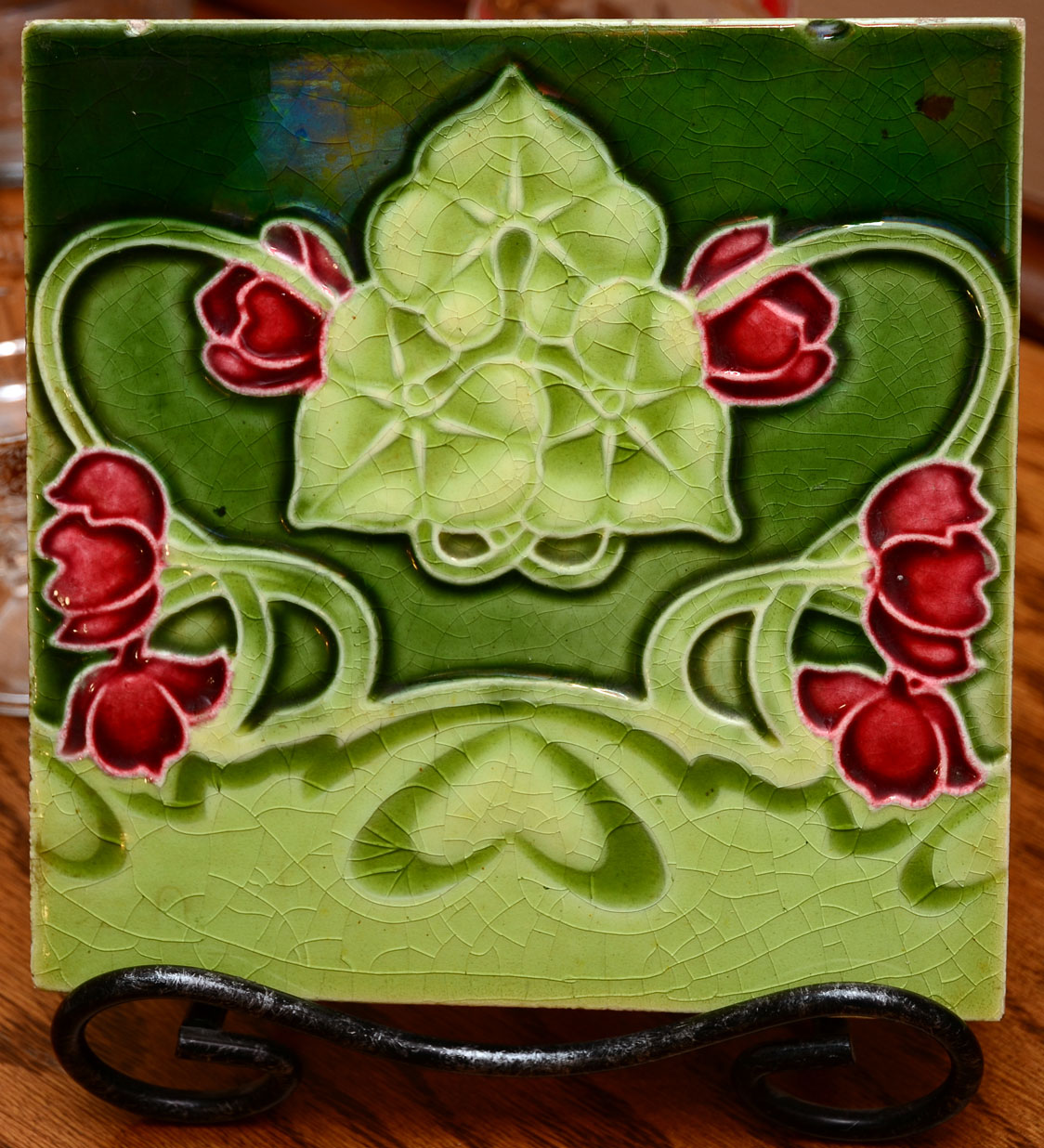
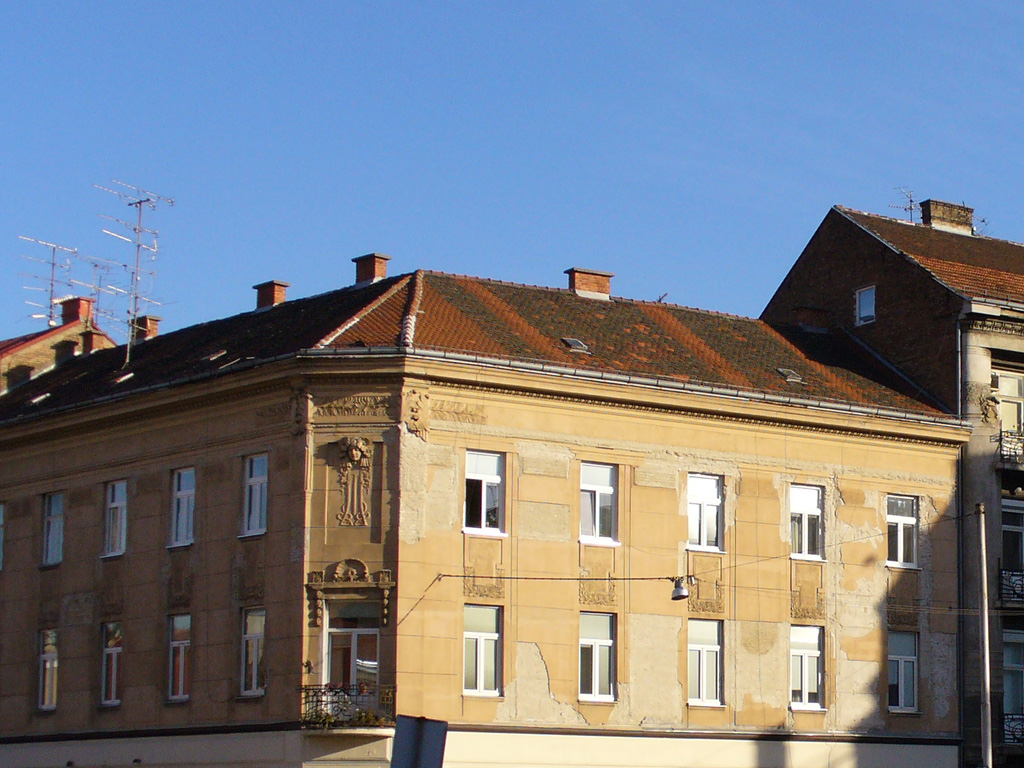
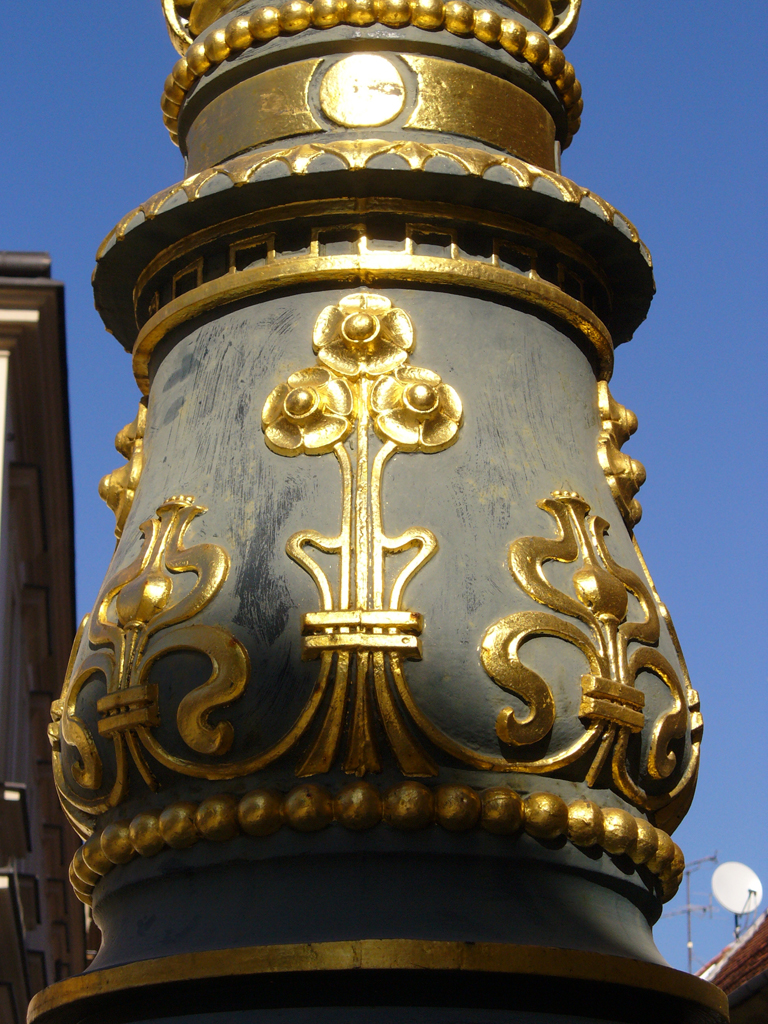
Art Nouveau was an artistic and architectural movement from about 1890 to 1910, celebrated for its flowing, organic forms inspired by nature. Rejecting historical styles, it fused art with everyday life, appearing in buildings, furniture, posters, and decorative objects. Characterized by curving lines, floral motifs, and ornate ironwork, it took on regional variations like Jugendstil in Germany, Secession in Austria, and Liberty in Italy, uniting beauty and function in a modern aesthetic.
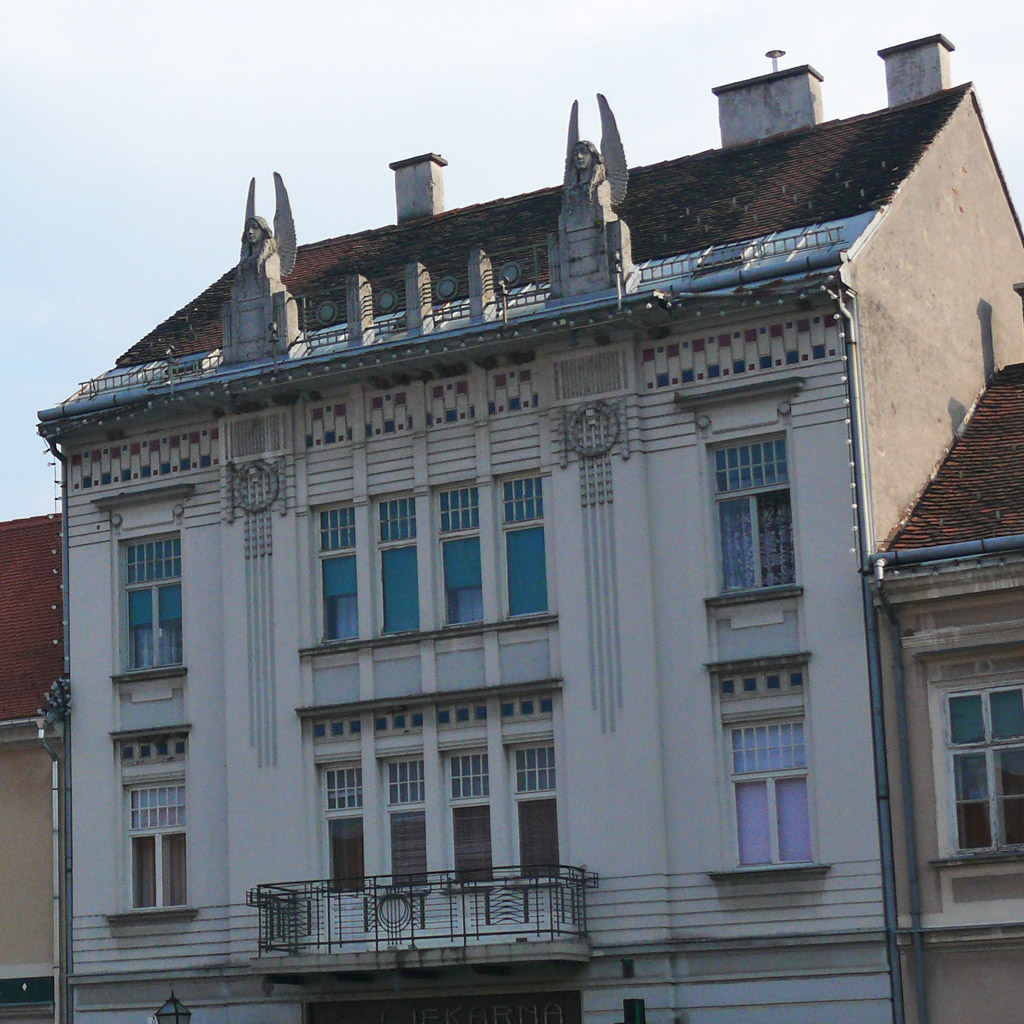
Explore museums and galleries to see their exhibits. Discover their unique collections showcasing this artistic style.
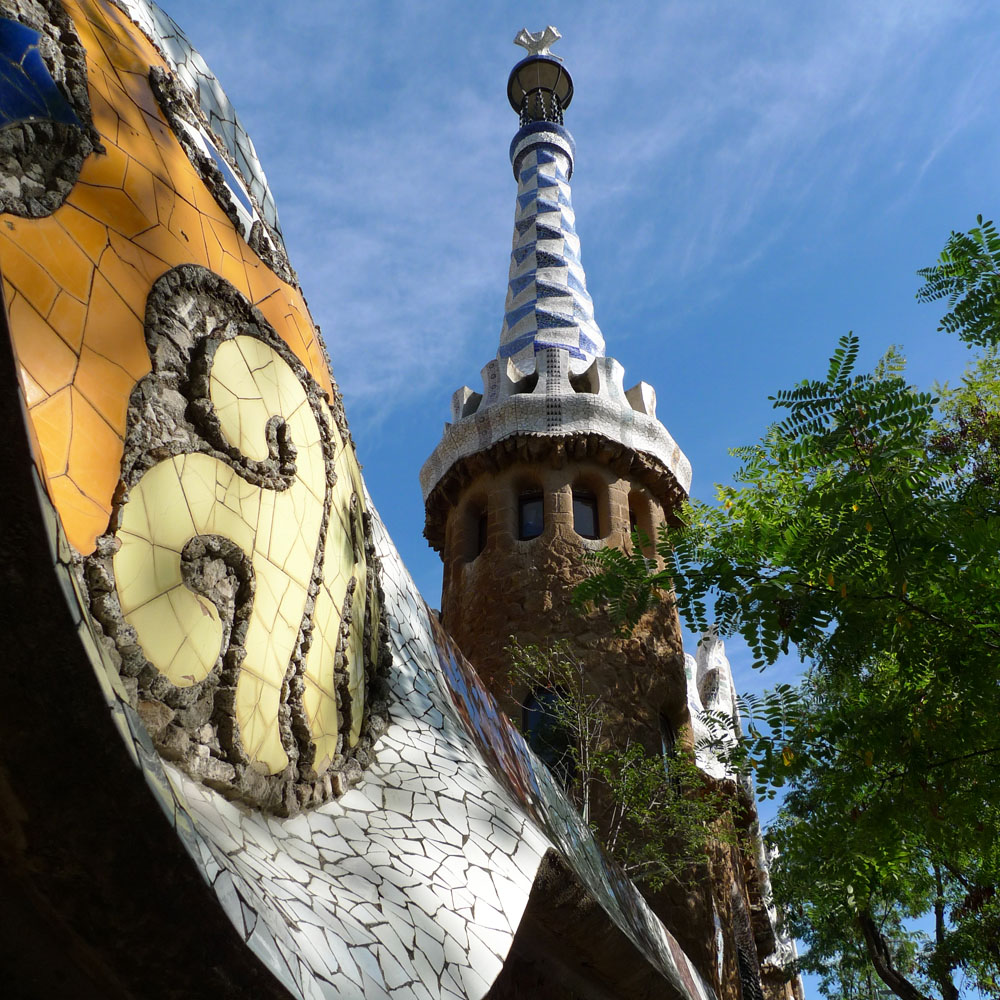
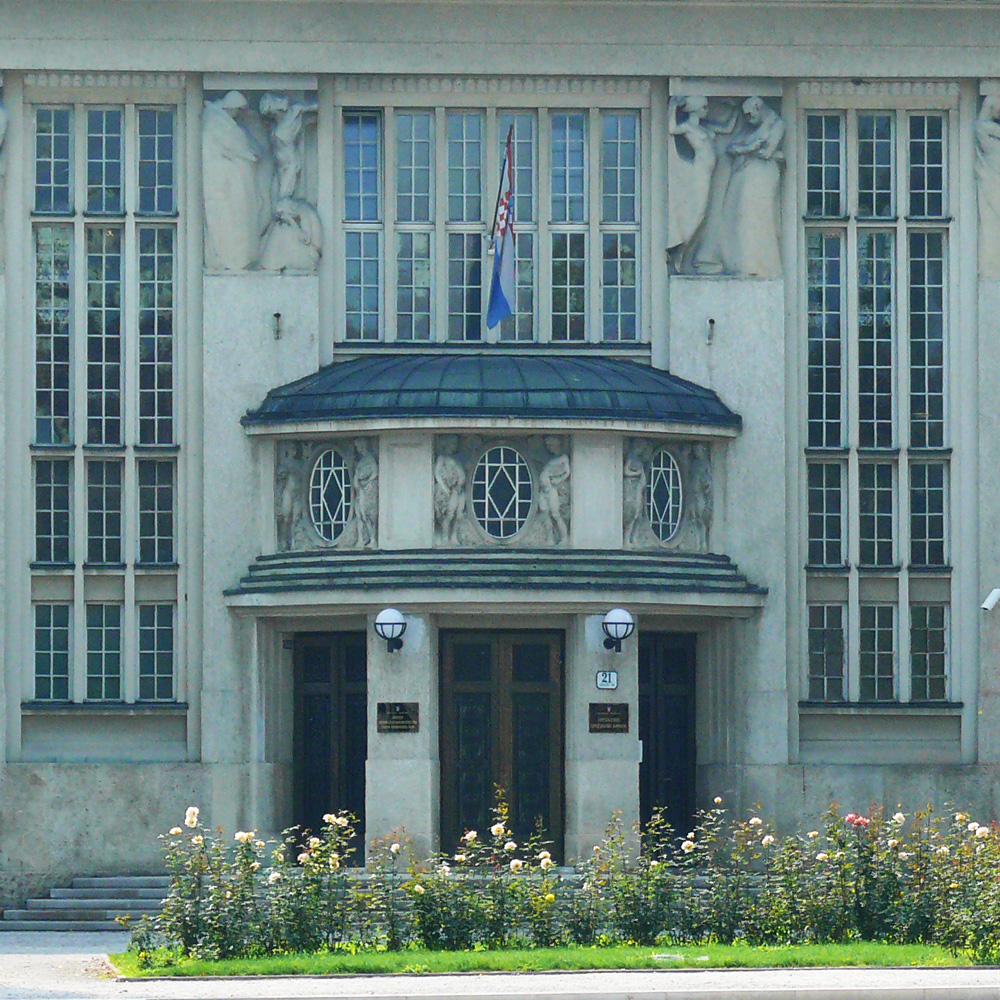
Art Nouveau had a significant impact on theatre and cinema. Its distinctive style influenced set design, costumes, and visual storytelling in both art forms.
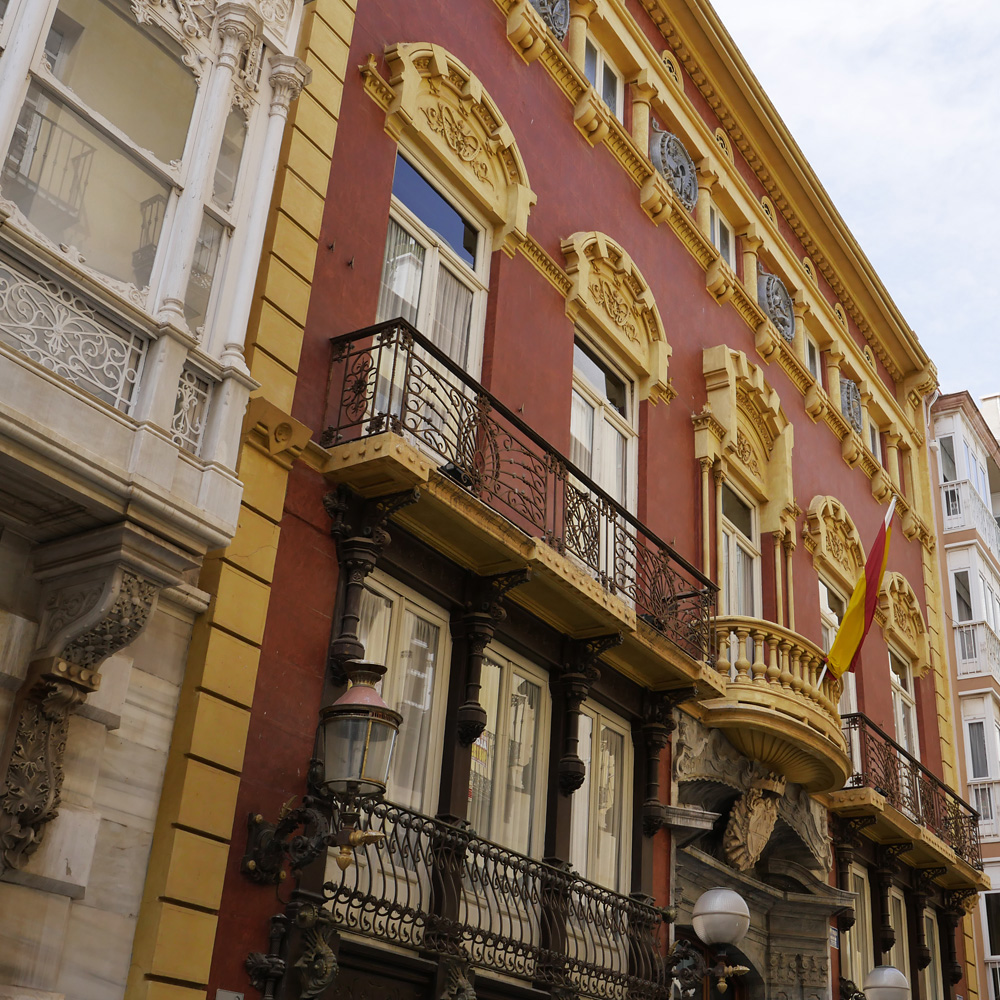
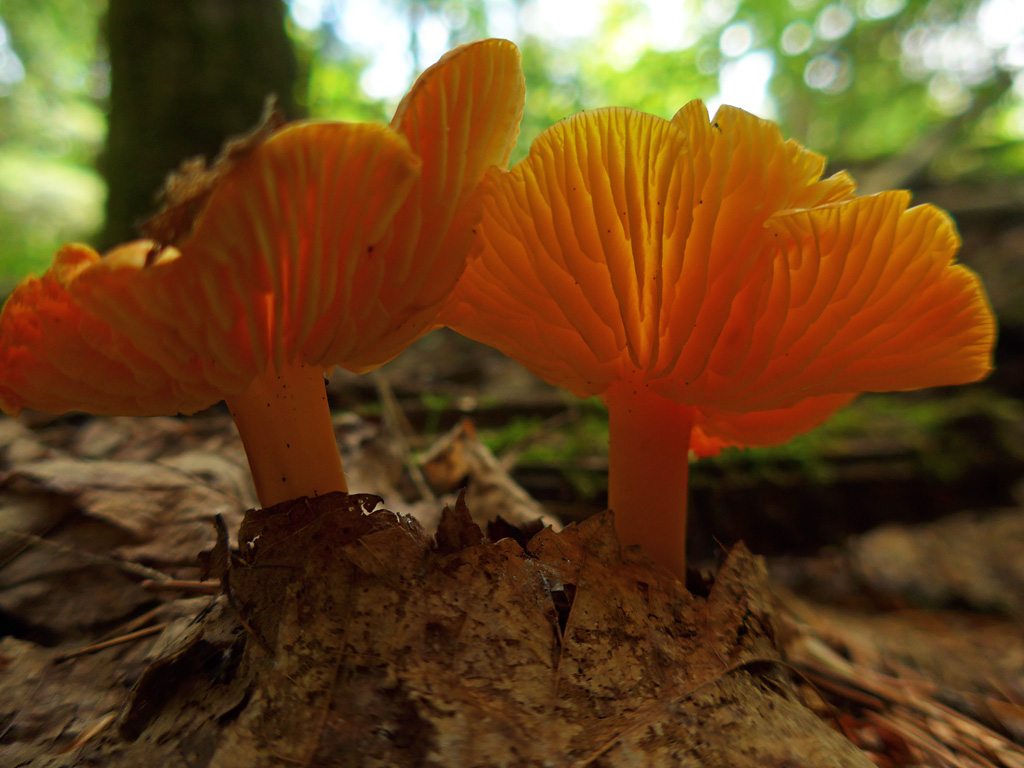
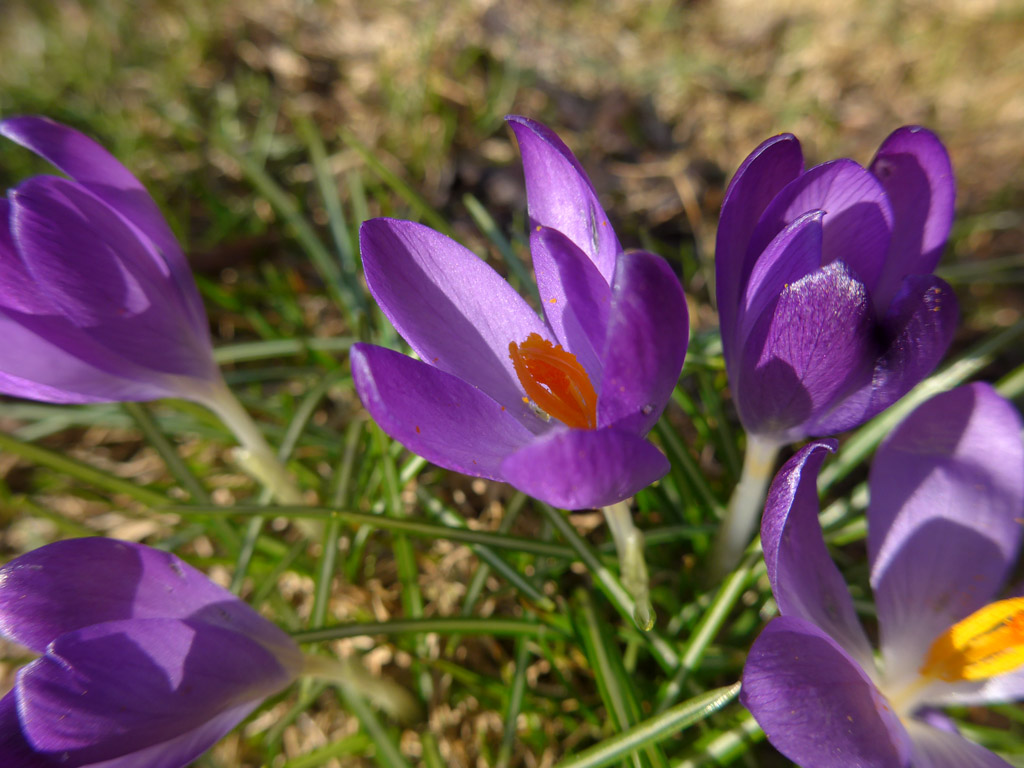
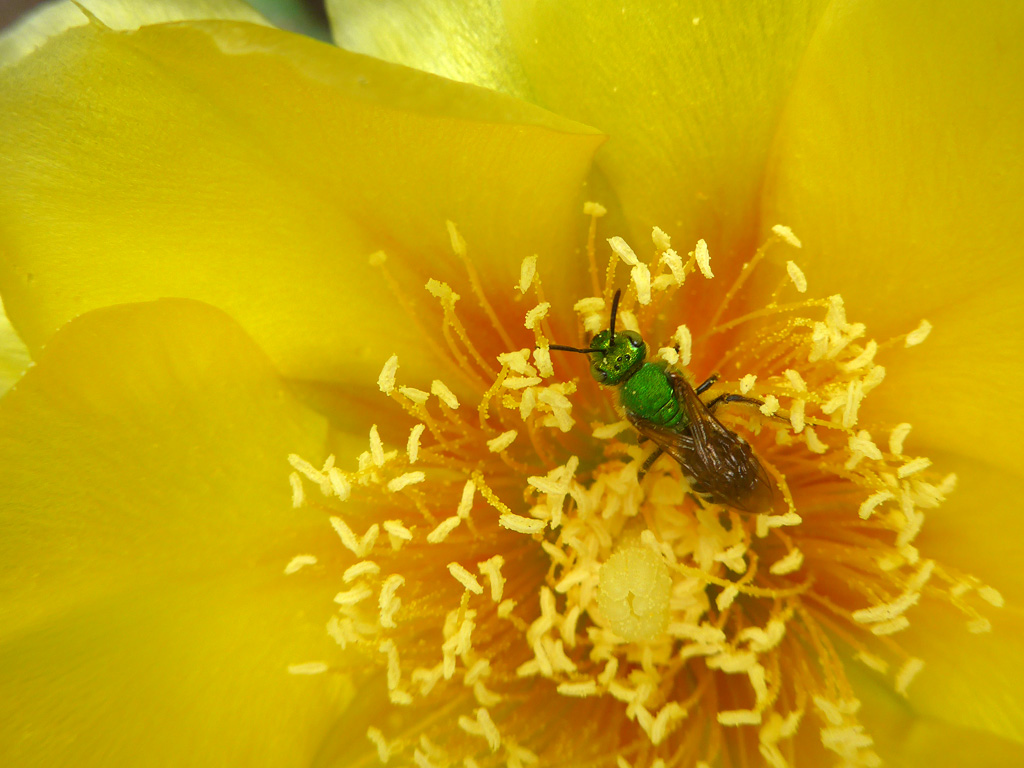
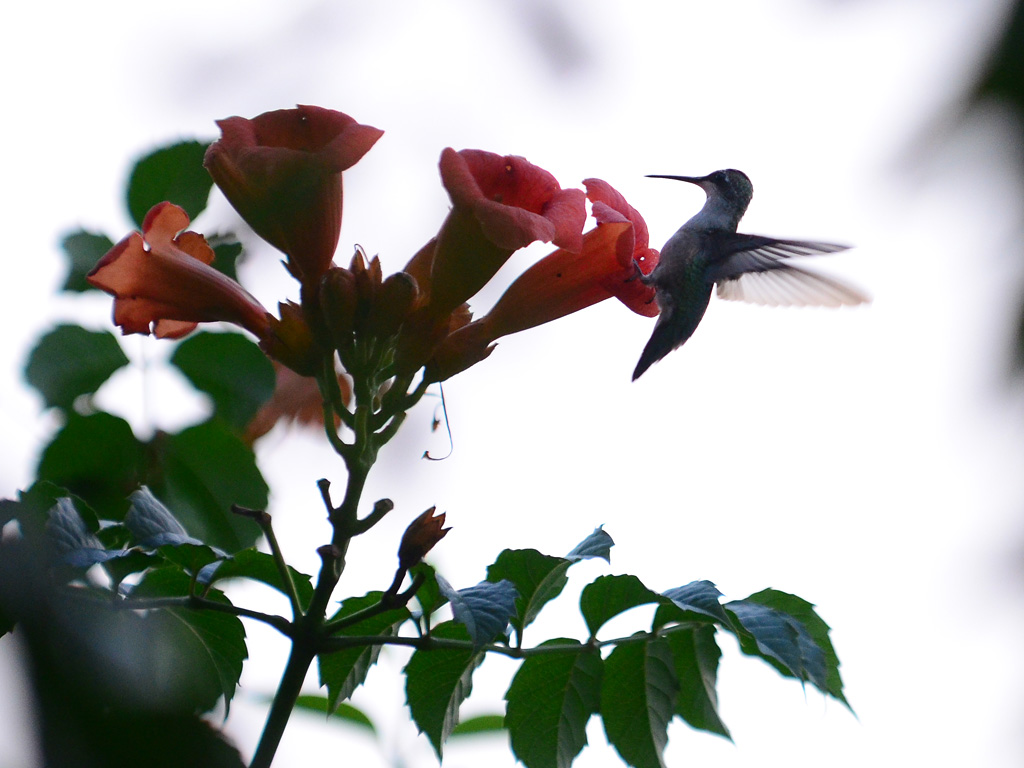
Discover the natural beauty that inspired Art Nouveau. Observe how flowing lines and organic forms from nature shaped this artistic movement.
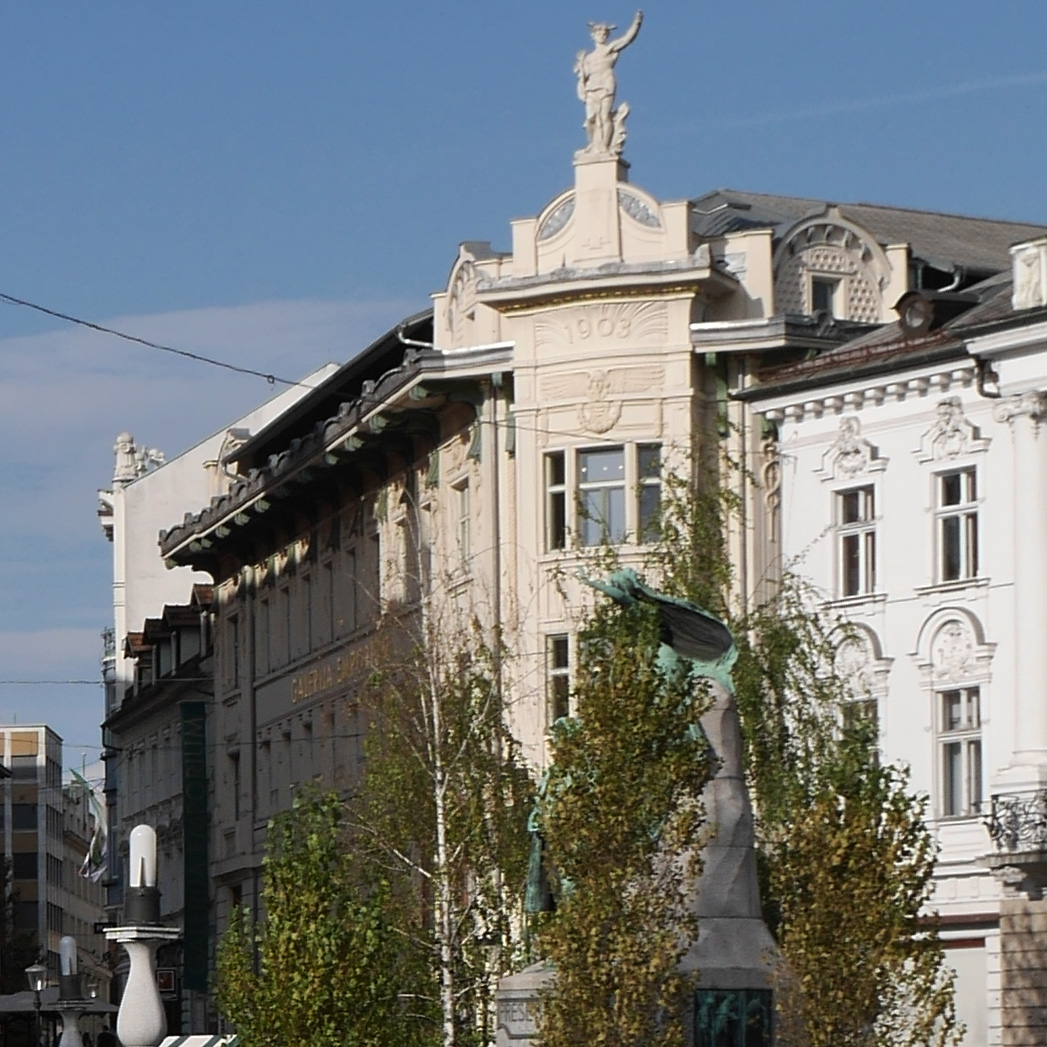
Art Nouveau Locations
Explore various locations showcasing Art Nouveau architecture and design. Discover stunning examples of this artistic style around the world.
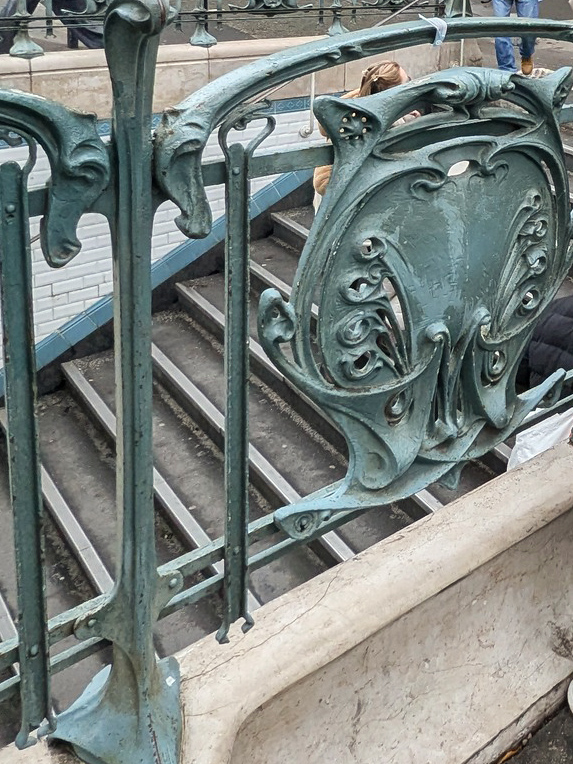
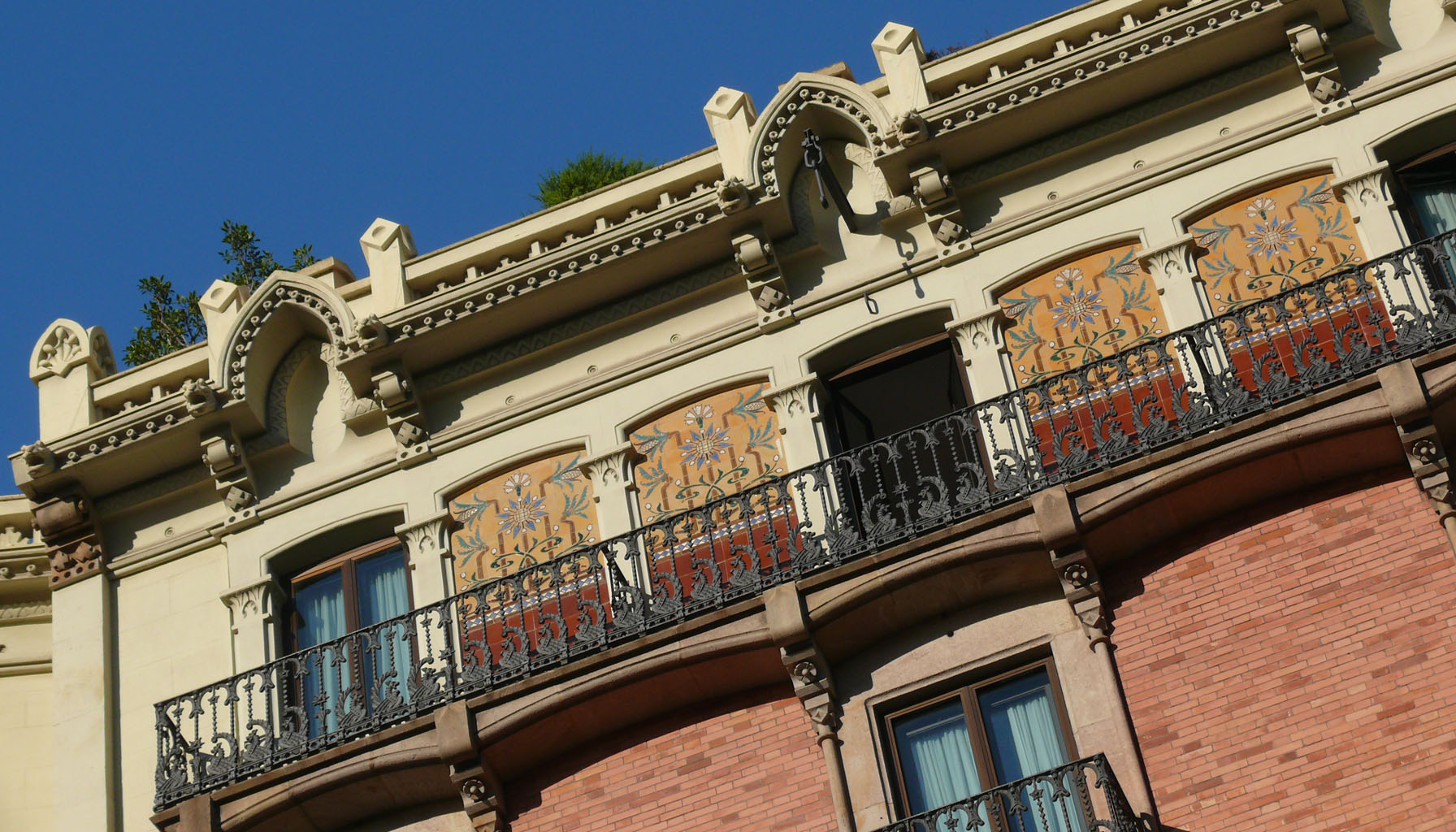
Art Nouveau, a movement flourishing between 1890 and 1910, brought a revolution in design by embracing organic forms, asymmetry, and flowing lines. Nowhere is this more vividly expressed than in wrought iron, a medium that allowed designers to sculpt metal into almost botanical softness.
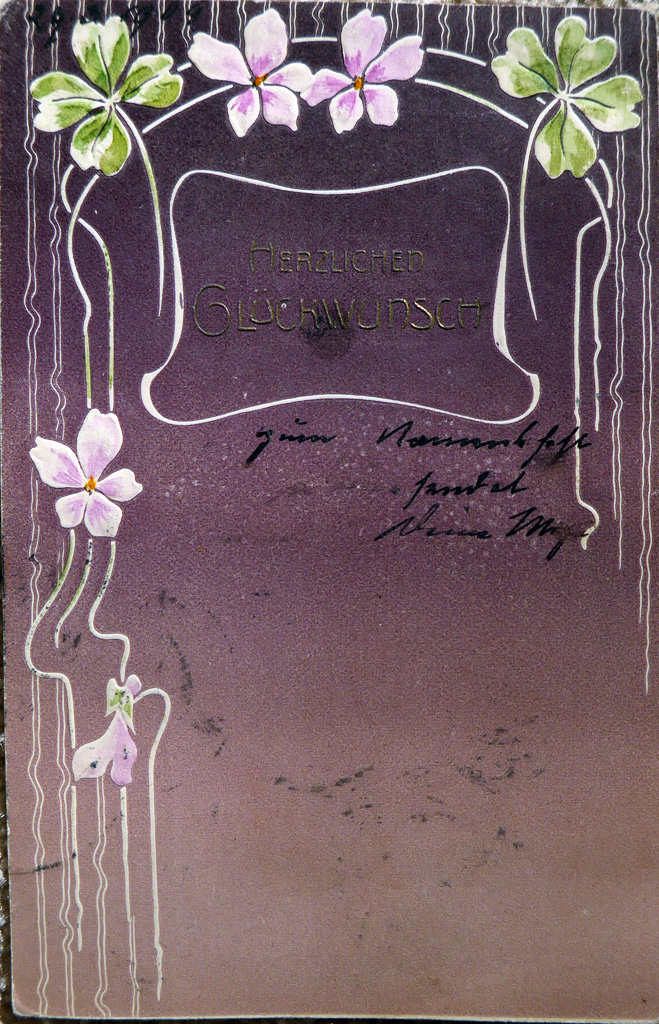
Publishers embraced the style’s curving florals, graceful female figures, and nature-inspired patterns to create visually striking designs that stood out in an era of growing postcard exchange. These cards often reflected the broader artistic trends of the late 19th and early 20th centuries, capturing the movement’s emphasis on beauty, craftsmanship, and harmony with nature. Today, Art Nouveau postcards remain valued collectibles, offering a charming glimpse into both artistic history and early graphic design.
Links