Art Nouveau in Europe: A Country-by-Country Guide to Cities & Architecture
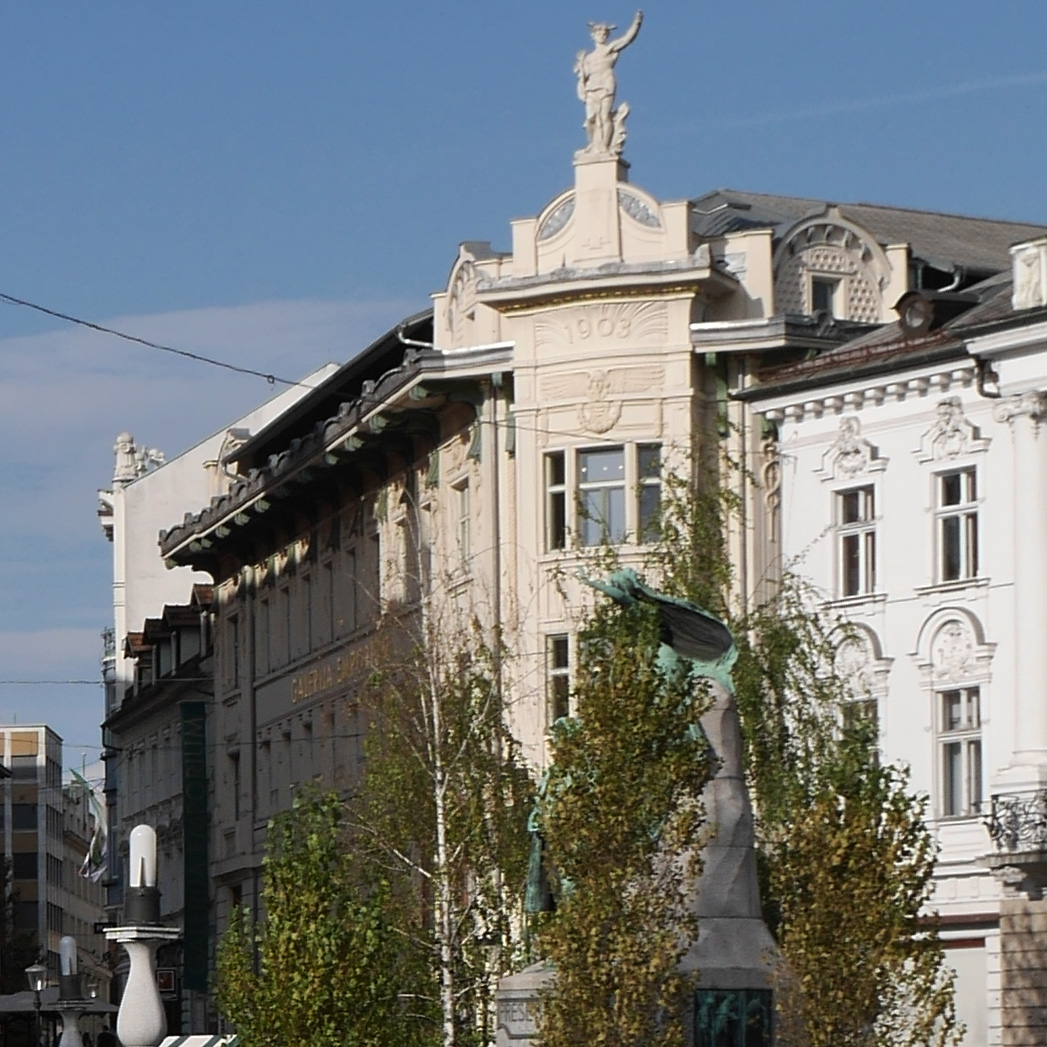
At the turn of the 20th century, a new architectural style transformed cities across Europe. Known as Art Nouveau, this movement rejected historical revival styles and embraced flowing lines, floral ornament, and modern craftsmanship inspired by nature.
Between roughly 1890 and the outbreak of World War I, architects, artists, and designers across the continent experimented with this innovative aesthetic. While the name Art Nouveau originated in Paris, the style quickly spread and developed distinctive regional variations. In different countries it became known as Jugendstil in Germany and Scandinavia, Secession in Austria and Central Europe, Stile Liberty in Italy, and Modernisme in Catalonia.
Today, many European cities still preserve remarkable districts and individual buildings from this creative era. From the elegant boulevards of Helsinki to the colourful façades of Oradea and the refined urban architecture of Brussels, Art Nouveau remains one of the most distinctive chapters in European architectural history.
Across the continent, cities adapted the style to local traditions and materials. Architects in Vienna developed the geometric elegance of the Vienna Secession, while designers in Riga created some of the richest concentrations of Art Nouveau buildings in the world. In Central Europe, towns such as Ljubljana and Prague embraced the style in civic buildings, apartments, and decorative arts.
This guide explores the countries and cities where Art Nouveau architecture flourished across Europe. From seaside resorts to grand imperial capitals, these destinations showcase the creativity and optimism of the Belle Époque era.
Art Nouveau by Country
The following guides explore Art Nouveau architecture across different regions of Europe: