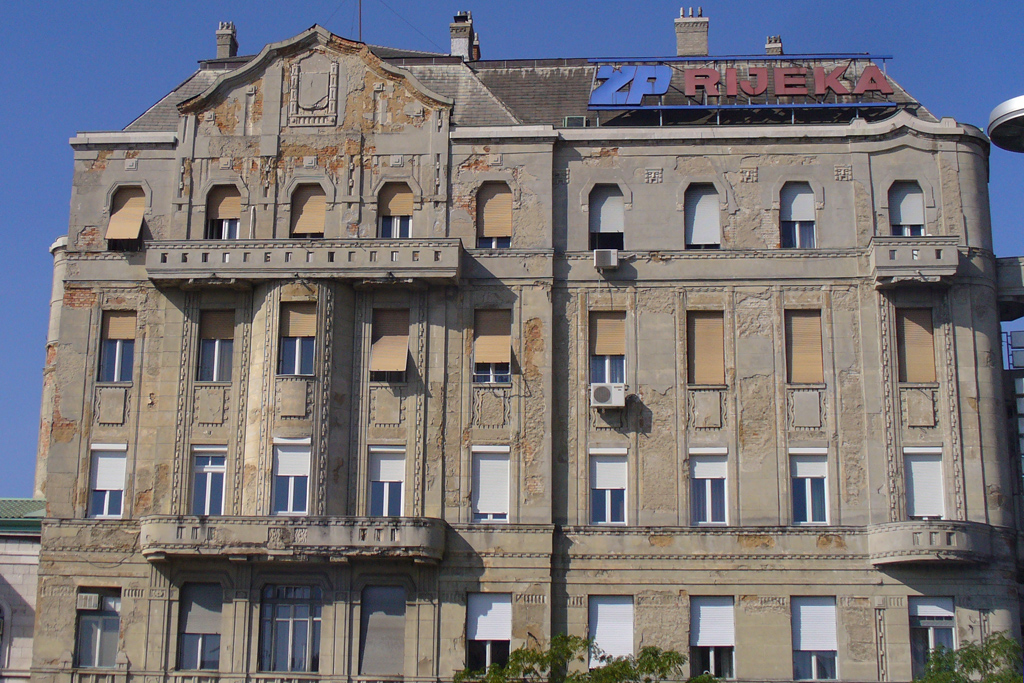
Art Nouveau Architecture in Croatia
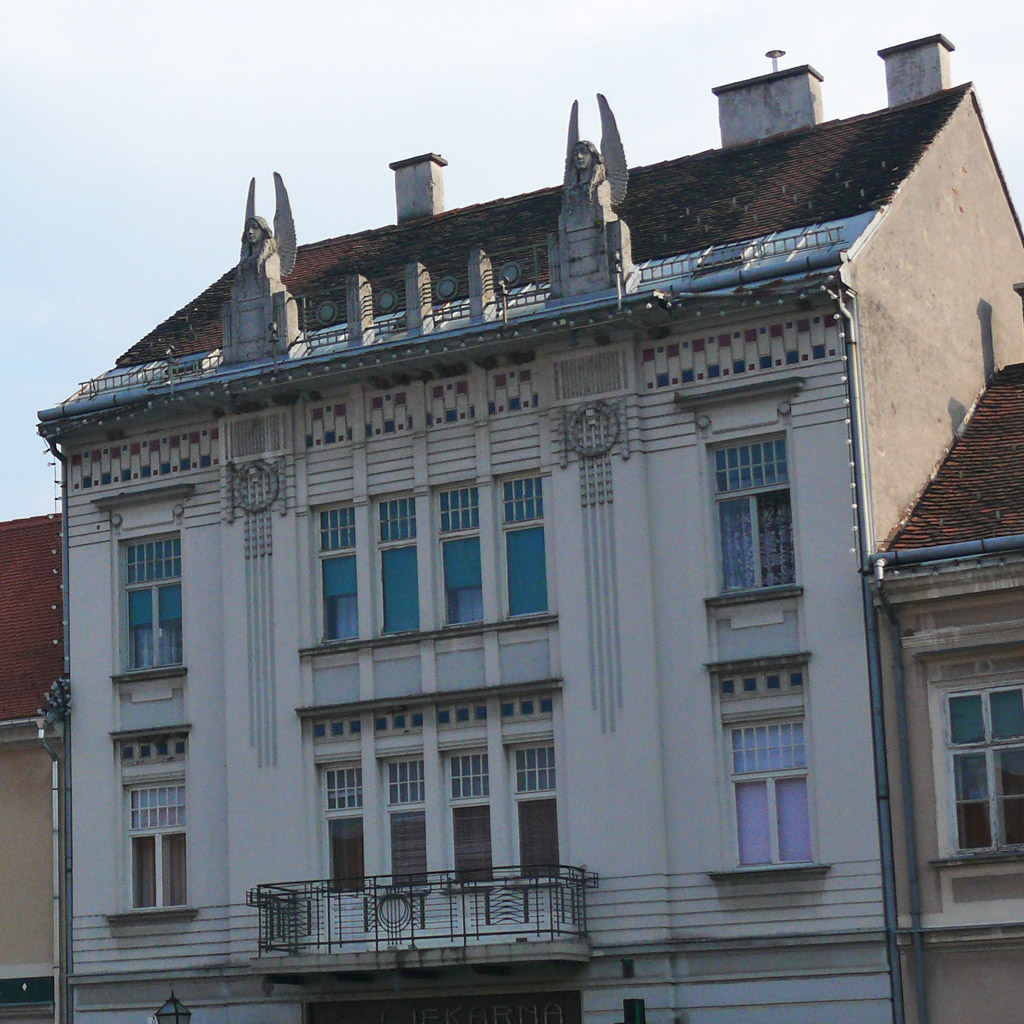
At the turn of the 20th century, the international movement known as Art Nouveau spread across Europe, bringing new artistic ideas and decorative forms to cities throughout the continent. In Croatia, the style developed during the final decades of the Austro-Hungarian Empire, when rapid urban growth and modernization reshaped many towns and cities. Known locally as Secession (Secesija), Croatian Art Nouveau reflected the strong influence of the Vienna Secession centred in Vienna, while also incorporating regional building traditions.
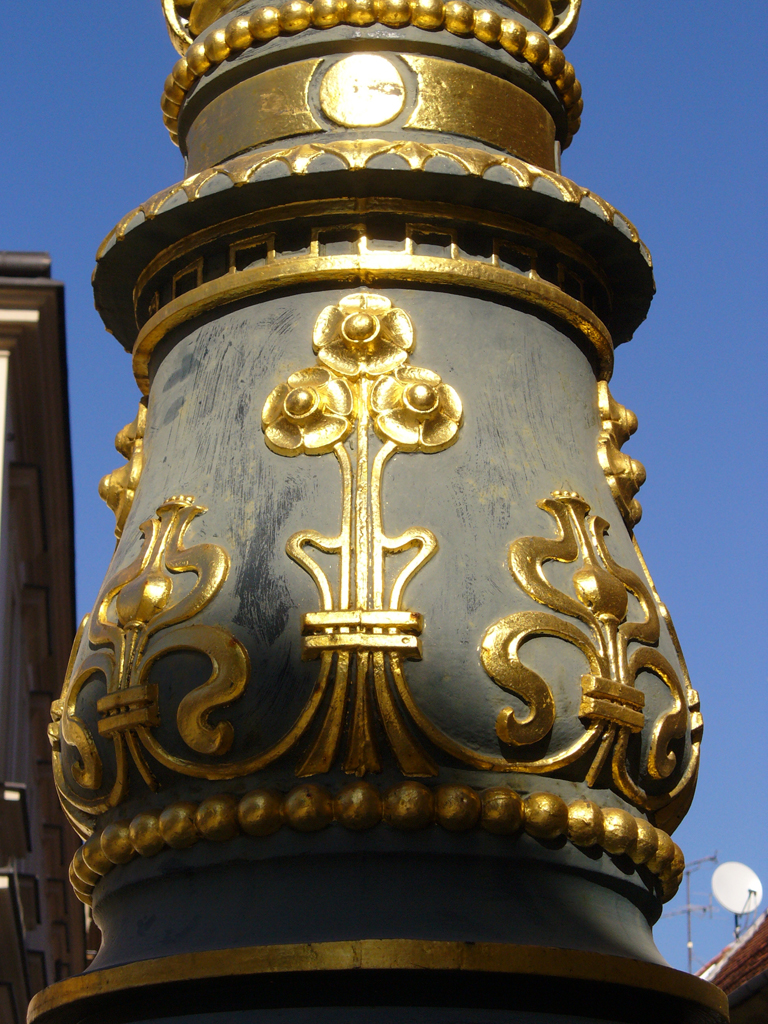
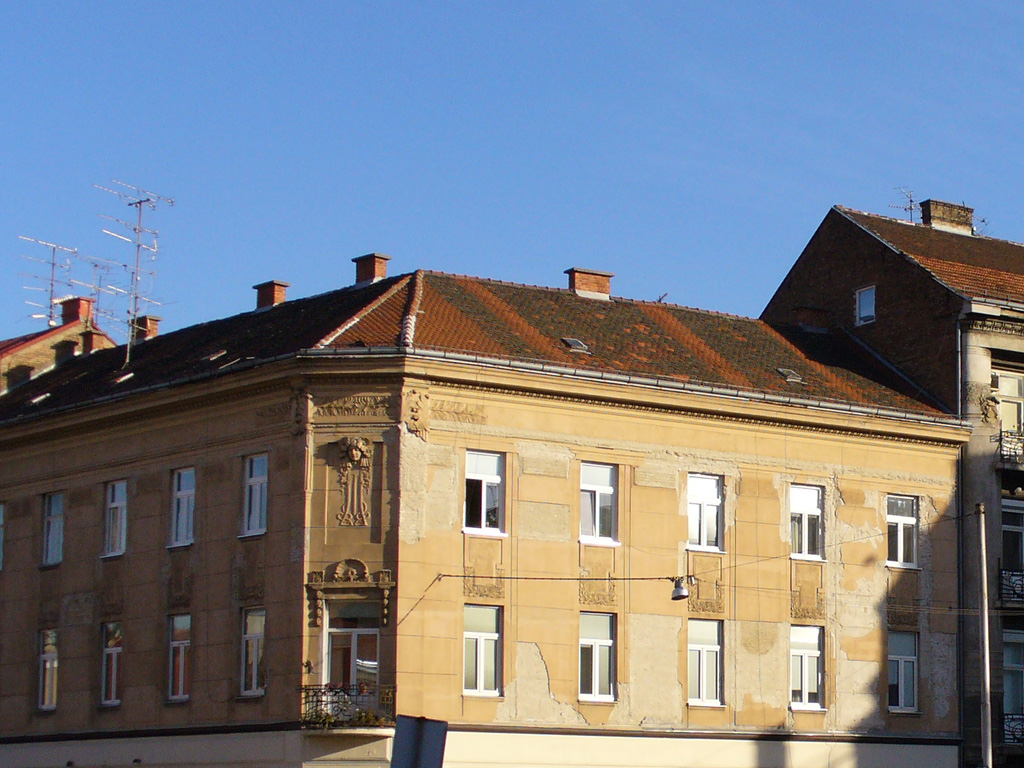
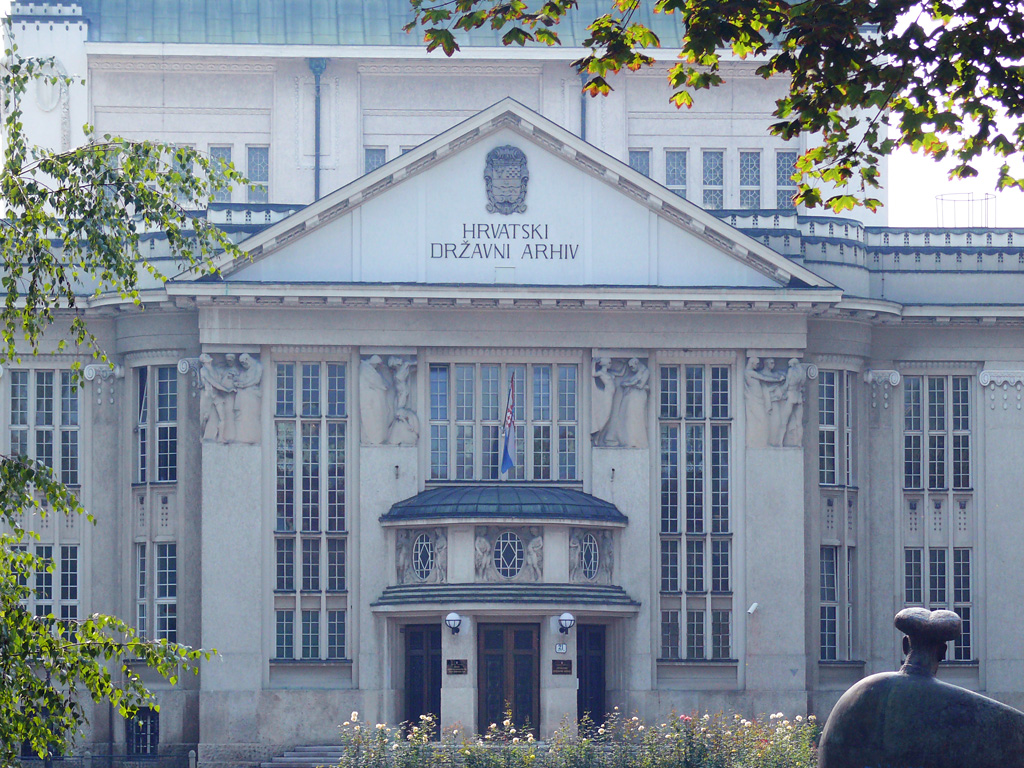
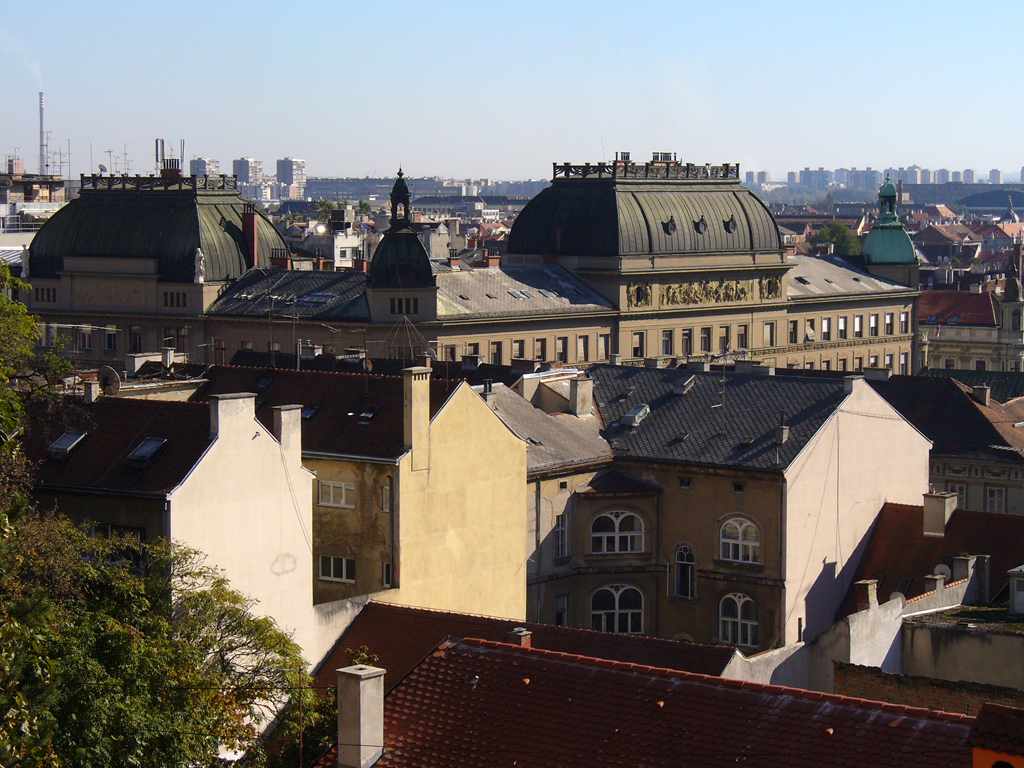
The Croatian capital, Zagreb, contains the most significant concentration of Art Nouveau architecture in the country. Much of this development took place in the Lower Town (Donji Grad), where elegant apartment buildings, commercial blocks, and public institutions were constructed around 1900. These structures often feature floral ornament, sculptural decoration, and intricate ironwork, reflecting the transition from historicist styles to more modern design approaches. Many façades combine Secessionist elements with classical compositions, illustrating the evolving architectural tastes of the period.
Art Nouveau also flourished in Croatia’s spa and seaside resorts during the Belle Époque. The Adriatic resort of Opatija became a fashionable destination within the empire, where grand hotels and villas were designed to accommodate elite visitors. Similarly, spa towns such as Varaždinske Toplice developed elegant buildings that blended decorative architecture with wellness tourism. Other cities, including Rijeka, also contain notable examples shaped by Central European influences.
Today, Croatia’s Secession architecture forms an important part of its cultural heritage, linking the country to the wider network of Art Nouveau cities across Central Europe and preserving the artistic spirit of the Belle Époque.
In northern Croatia, Varaždin offers a refined urban setting where Secession buildings complement its historic Baroque core. In eastern Croatia, Osijek experienced rapid expansion during the Belle Époque, resulting in elegant residential districts and richly decorated façades influenced by Vienna and Budapest .
Along the Adriatic coast, Pula developed as an important Austro-Hungarian naval centre, where Art Nouveau architecture appeared alongside earlier Roman and Venetian layers of the city’s history . Together, these cities illustrate how the Secession style adapted to different regions of Croatia, from inland cultural centres to coastal towns shaped by maritime and imperial influences.
Explore the following city guides to discover Art Nouveau architecture across Croatia: