Zagreb during the Belle Époque: The Lower Town’s Grand Avenues & Palaces
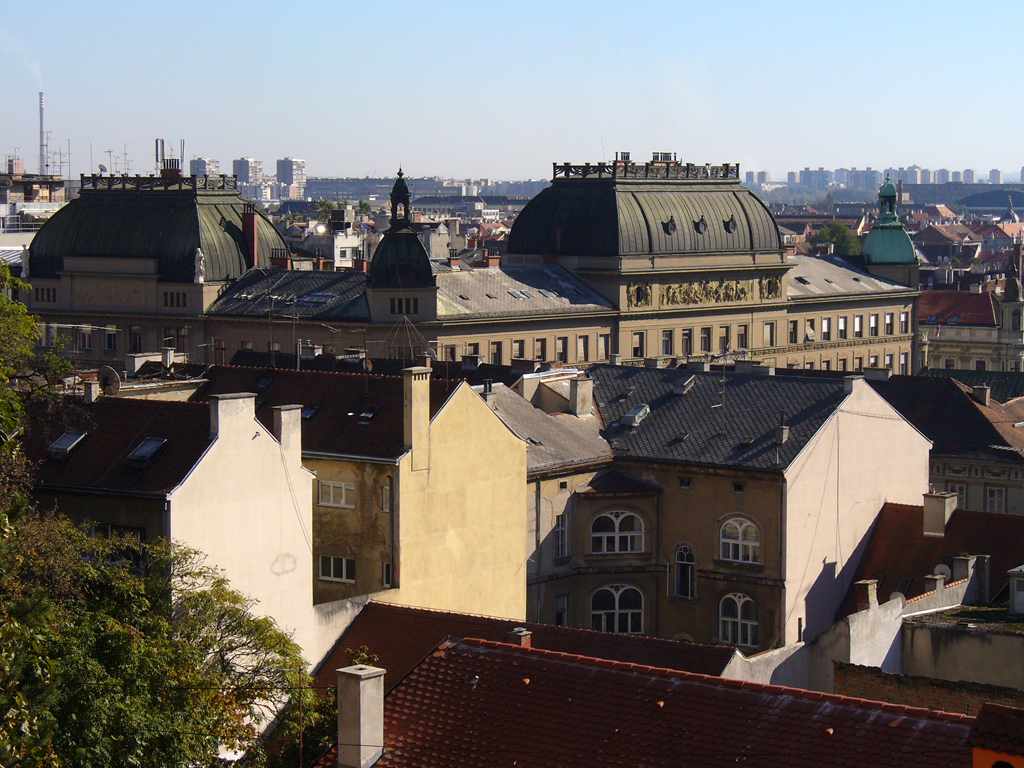
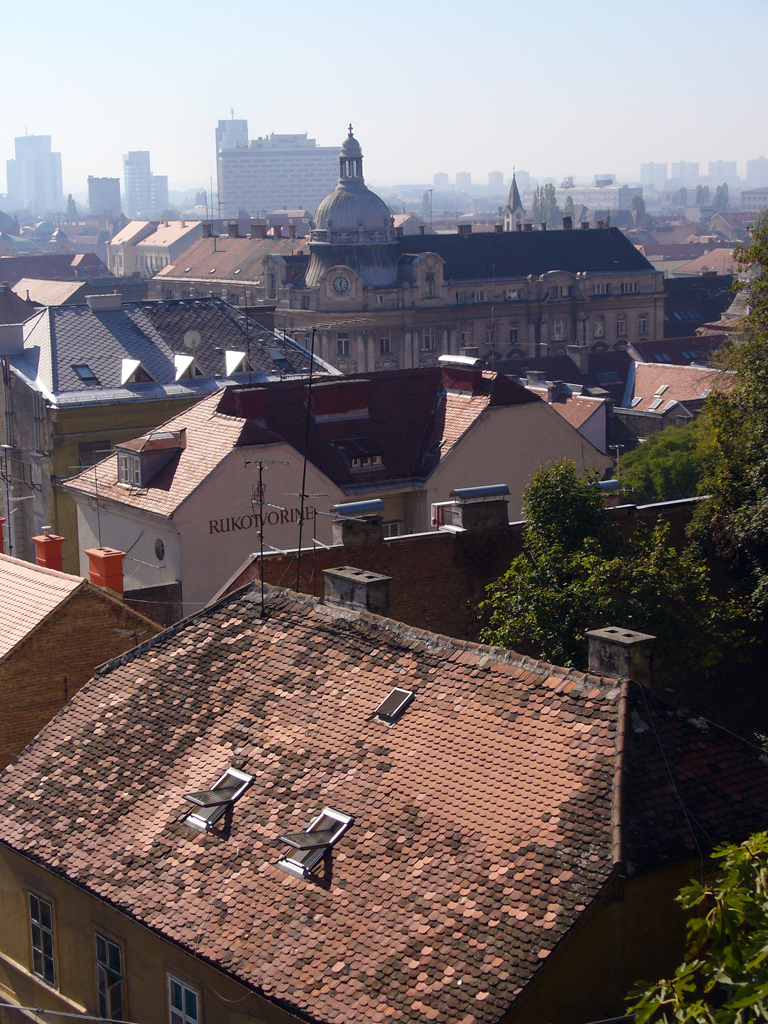
During the Belle Époque, Zagreb underwent a dramatic transformation that turned it into one of Central Europe’s most elegant capitals. The late 19th and early 20th centuries saw the creation of Donji Grad (Lower Town), a planned district of grand boulevards, civic squares, and ornate palaces inspired by Vienna and Budapest.
Many of these late 19th and early 20th century buildings overlap stylistically with the city’s emerging Secession movement. Explore our guide to Zagreb Art Nouveau architecture for a deeper look at this decorative trend.
At the heart of this transformation is the Lenuci Horseshoe, a sequence of landscaped parks and monumental buildings that define Zagreb’s Belle Époque cityscape. The district features Neo-Renaissance and Neo-Baroque façades alongside early Art Nouveau masterpieces, creating a refined architectural ensemble that reflects the optimism of the era.
Elegant apartment palaces, theaters, museums, and hotels lined the new avenues, showcasing decorative plasterwork, wrought iron balconies, sculptural details, and richly ornamented interiors. Tree-lined promenades and public gardens became social spaces where residents gathered to stroll, attend concerts, and experience modern urban life.
The Lower Town remains the city’s cultural and architectural core, preserving the spirit of an age when architecture, urban planning, and art were closely intertwined. Today, Donji Grad stands as a living monument to Zagreb’s Belle Époque identity, offering one of the most complete late-19th-century urban landscapes in Southeast Europe.
Zagreb’s Belle Époque heritage continues to define the city’s timeless elegance.
Interested in the more decorative side of the period? Don’t miss our dedicated guide to Art Nouveau (Secession) in Zagreb, where the style reaches its most expressive form.