Art Nouveau in Spring: A Season of Renewal and Ornament
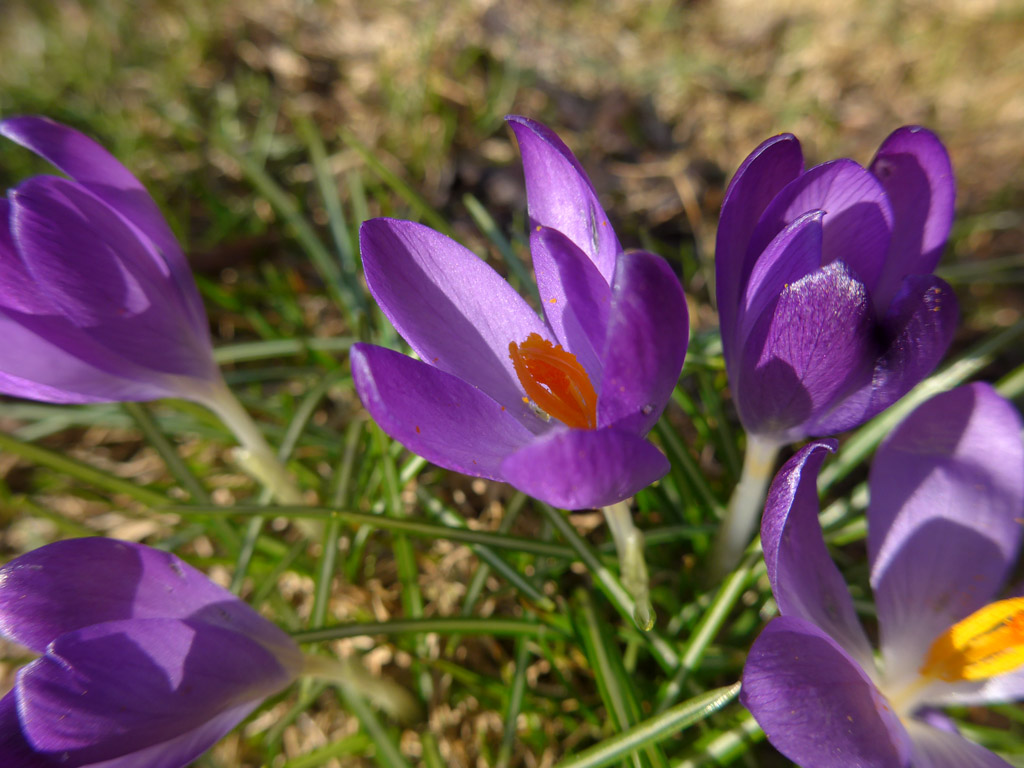
Spring is the season that most naturally embodies the spirit of Art Nouveau. Emerging at the turn of the 20th century, this artistic movement drew deep inspiration from nature particularly the delicate forms, flowing lines, and organic vitality that define springtime. As flowers bloom and landscapes awaken, the aesthetic principles of Art Nouveau feel especially alive and relevant.
Artists and architects of the period frequently incorporated motifs such as blossoming flowers, budding branches, and sinuous vines into their work. These elements were not merely decorative; they symbolized renewal, growth, and the cyclical rhythms of nature. Buildings adorned with sculpted floral facades, wrought iron balconies resembling twisting stems, and stained glass windows glowing with soft, petal-like forms echo the essence of spring in permanent form.
Spring also played a key role in the popularity of Art Nouveau decorative arts. Seasonal postcards, posters, and illustrations often depicted women personifying spring surrounded by lilies, irises, and cherry blossoms capturing both elegance and vitality. These images reinforced the movement’s connection to beauty, femininity, and the natural world.
Today, exploring Art Nouveau in spring offers a uniquely immersive experience. Gardens, parks, and historic districts reveal how seamlessly the movement integrates with its environment. Whether strolling past ornate façades or admiring vintage prints, spring provides the perfect lens through which to appreciate Art Nouveau’s enduring celebration of life and renewal.