Art Nouveau in Autumn: A Season of Colour and Reflection
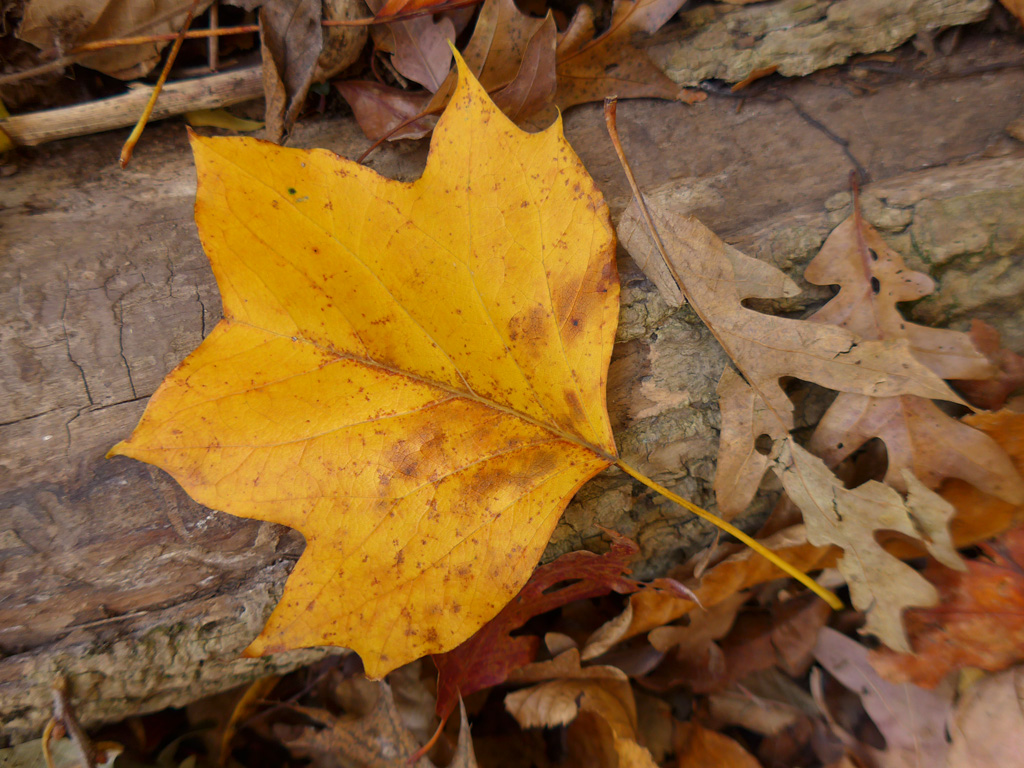
Autumn brings a richer, more introspective dimension to Art Nouveau, a movement deeply inspired by the cycles of nature. As the vibrant energy of summer fades, autumn introduces warm hues, softer light, and a sense of transition elements that align beautifully with the artistic language of Art Nouveau.
Designers of the period often drew from the textures and tones of the season, incorporating motifs such as falling leaves, ripened fruits, and gently curving branches. These natural forms were expressed through intricate ironwork, carved stone details, and stained glass compositions that echo the deep golds, reds, and browns of autumn landscapes. The result is a more subdued yet highly expressive aesthetic that emphasizes maturity and transformation.
In graphic arts and postcards, autumn was frequently personified as a contemplative figure surrounded by harvest imagery such as grapes, wheat, and foliage capturing both abundance and the passage of time. These seasonal depictions reinforced Art Nouveau’s fascination with nature not only as a source of beauty but also as a symbol of life’s rhythms.
Experiencing Art Nouveau in autumn offers a unique perspective. The softer daylight enhances architectural details, while parks and historic streets framed by autumn foliage create a harmonious dialogue between built forms and the natural world. In this season of change, Art Nouveau reveals its deeper emotional resonance, celebrating both the richness and impermanence of beauty.