Art Nouveau and Nature: Botanical Gardens, Floral Motifs & Organic Design
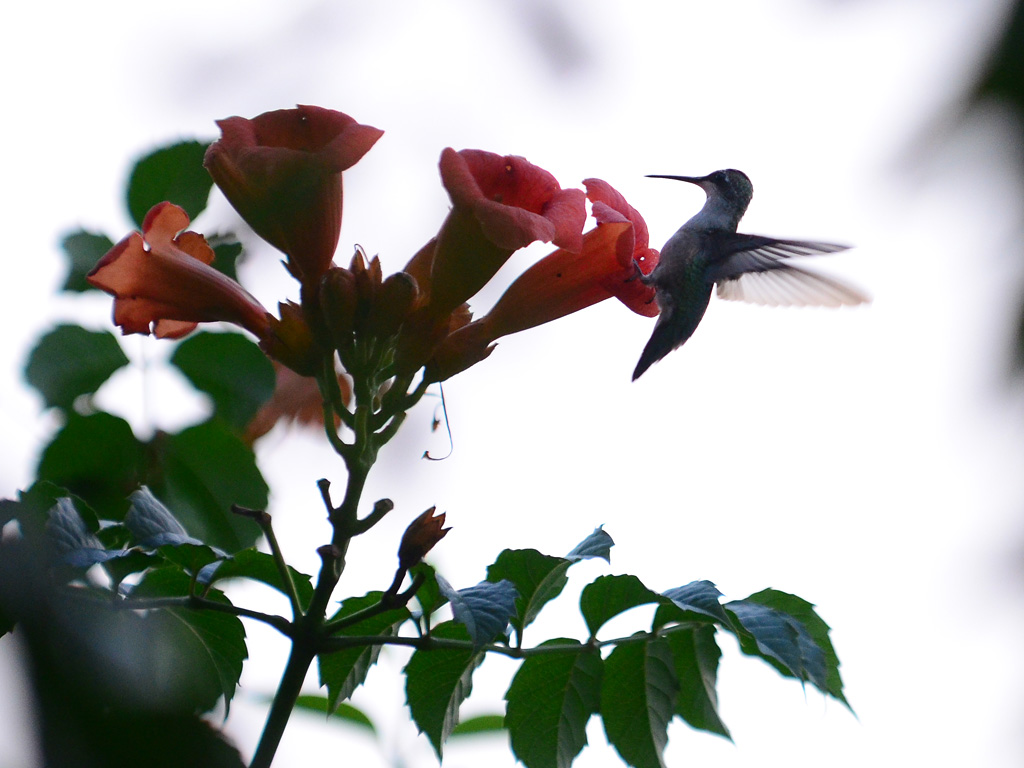
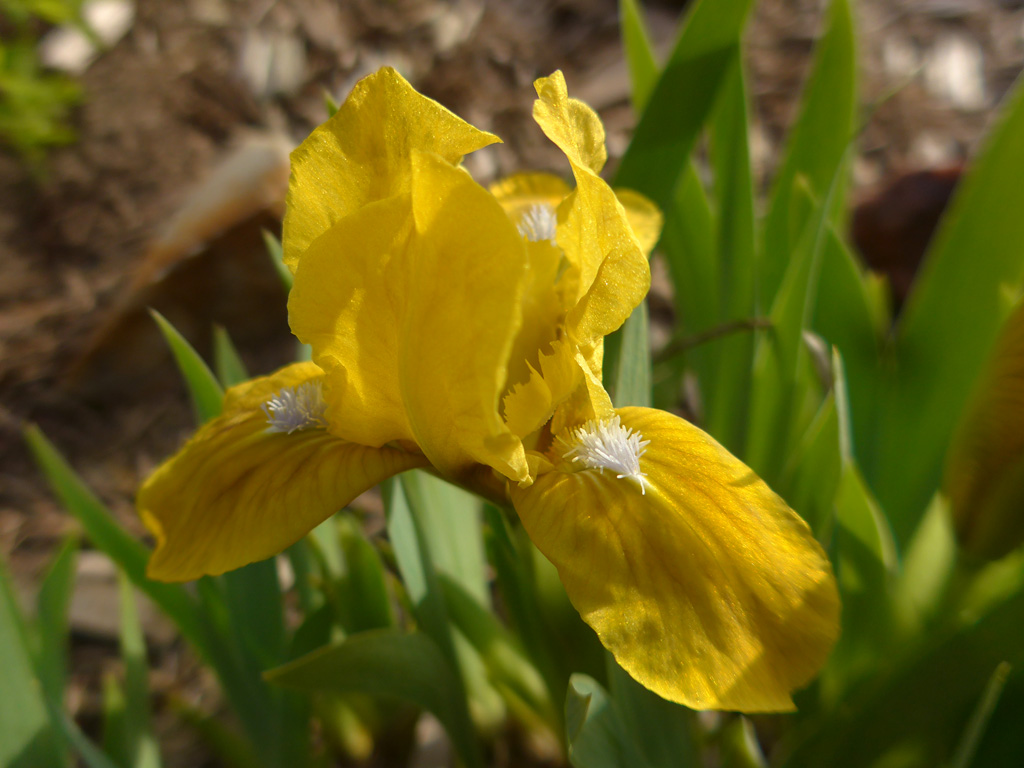
Art Nouveau draws heavily from a wide range of natural elements. Floral motifs—such as lilies, irises, and poppies—appear frequently, with their sinuous stems and elegant curves becoming iconic features of the style. Leaves, vines, and tendrils often weave through architectural façades, furniture, and even jewelry, blurring the lines between built environments and living ecosystems.
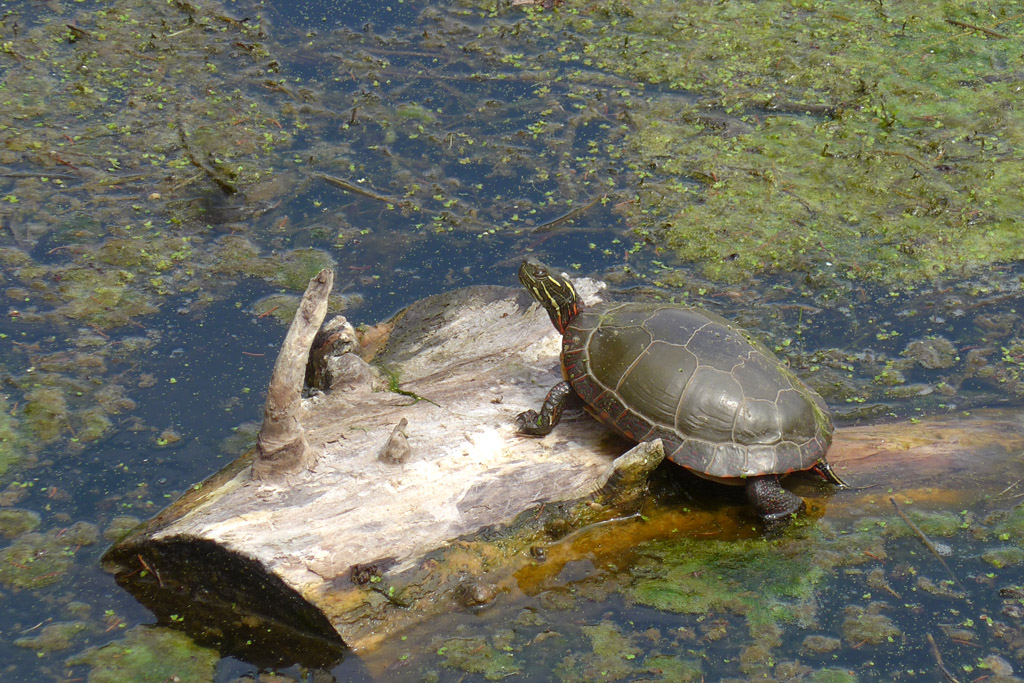
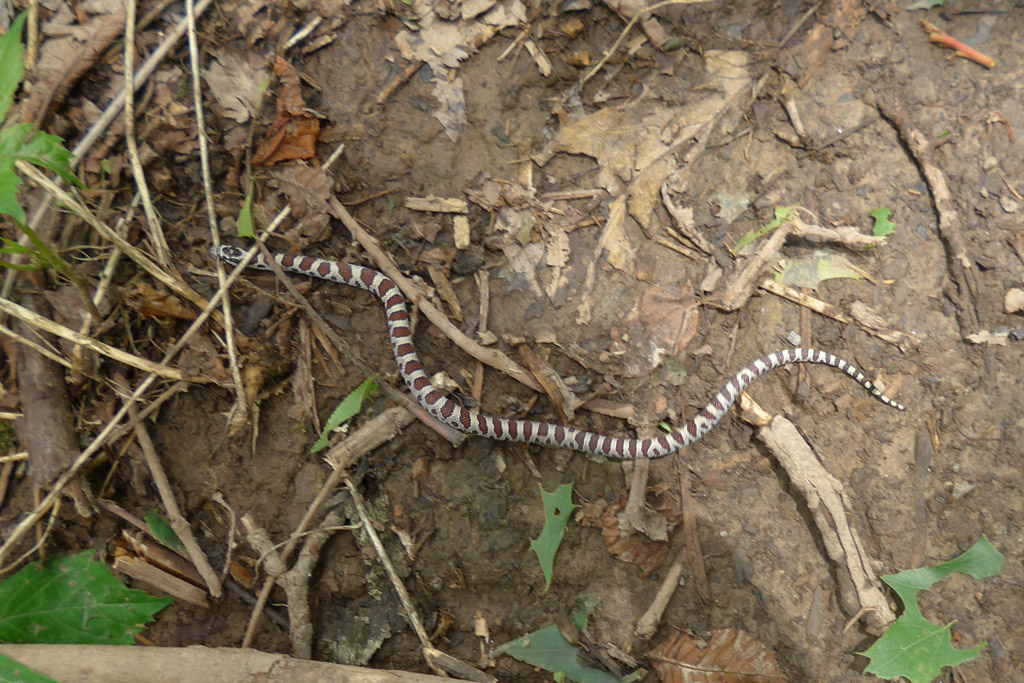
Beyond plants, Art Nouveau found inspiration in the animal kingdom. Insects like dragonflies and butterflies were favored for their delicate wings and graceful symmetry. Reptiles and amphibians—such as lizards, snakes, and frogs—added an exotic, sometimes mystical quality to the movement's visual language. Even the textures and forms of rocks, minerals, and flowing water were incorporated, lending an earthy, elemental presence to many works.
Botanical Gardens and Greenhouses in the Art Nouveau Style
Nature's influence on Art Nouveau extended beyond ornament and into architecture itself, nowhere more literally than in the glasshouses and botanical garden structures built during the movement's peak. These greenhouses paired the era's favored materials, iron and glass with the organic curves and decorative detailing that defined Art Nouveau, creating structures where architecture and the plant life inside seemed to echo one another.
Vienna's Palmenhaus Burggarten remains one of the finest surviving examples: a soaring glass-and-iron palm house designed by Friedrich Ohmann that blends tropical horticulture with Jugendstil elegance. In Florence, the Tepidarium Greenhouse at the Giardino dell'Orticoltura offers a more intimate take on the same idea, its sinuous ironwork and glass panels sheltering plant collections within a structure as ornamental as it is functional. Brussels, too, contributed an iconic example in the Maison Hannon's striking glass-walled greenhouse, built to satisfy its original owner's passion for botany.
Together, these structures reveal how thoroughly nature shaped Art Nouveau not only as a decorative theme applied to surfaces, but as the very logic behind some of the era's most distinctive buildings.
Flowers
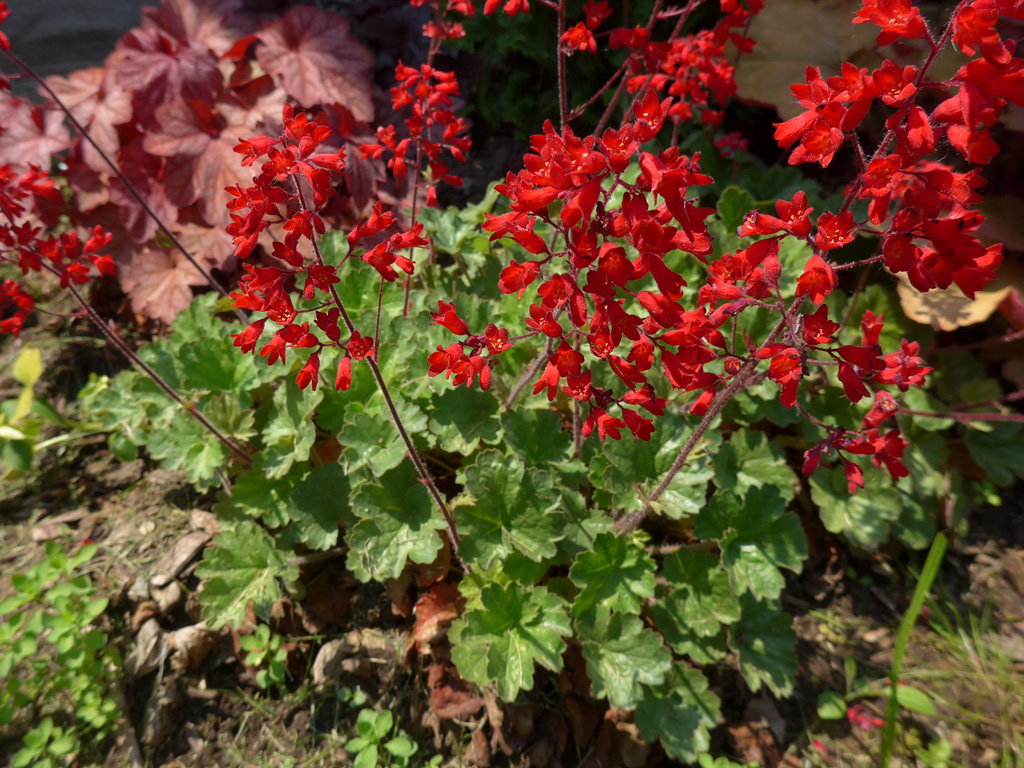
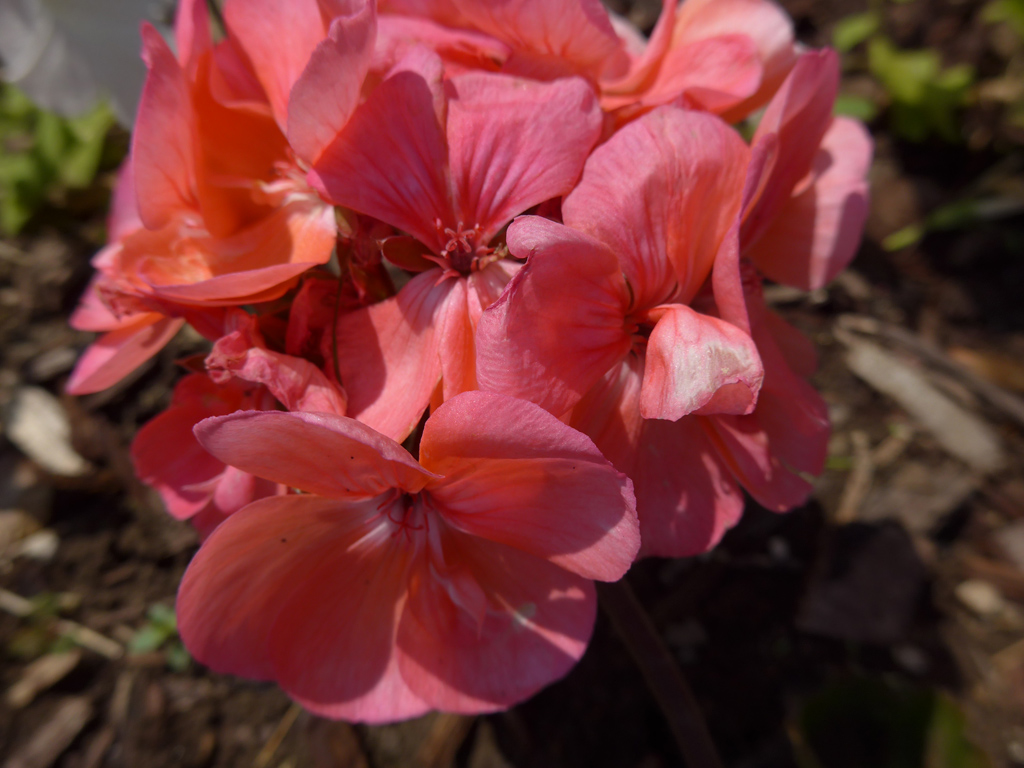
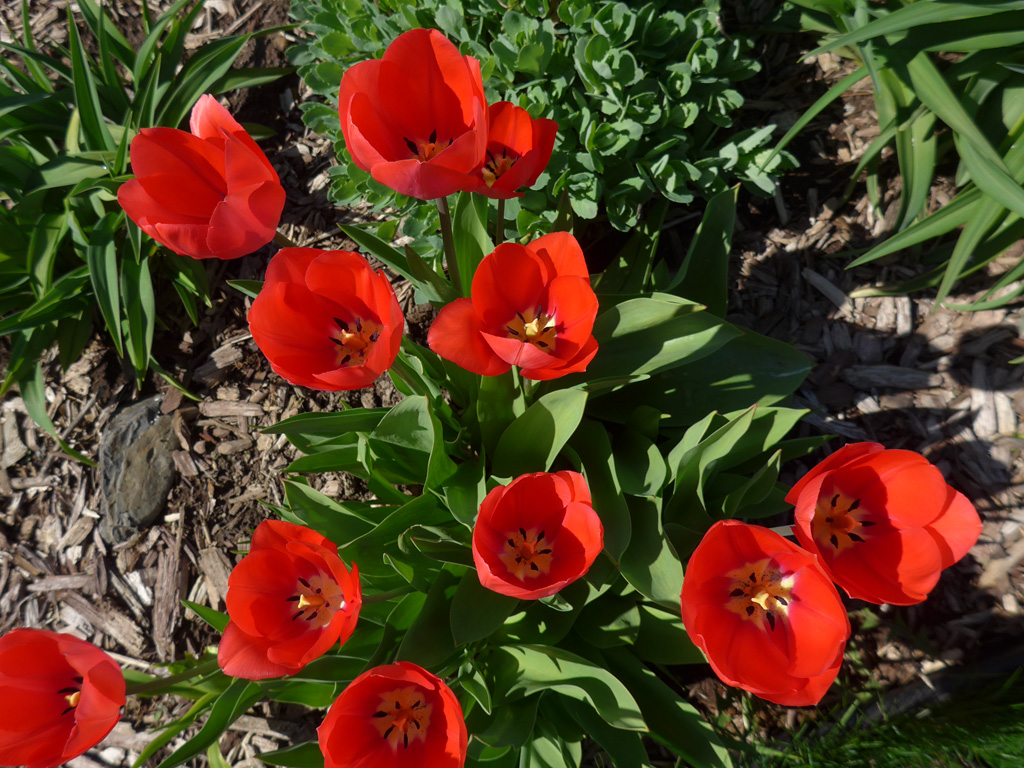
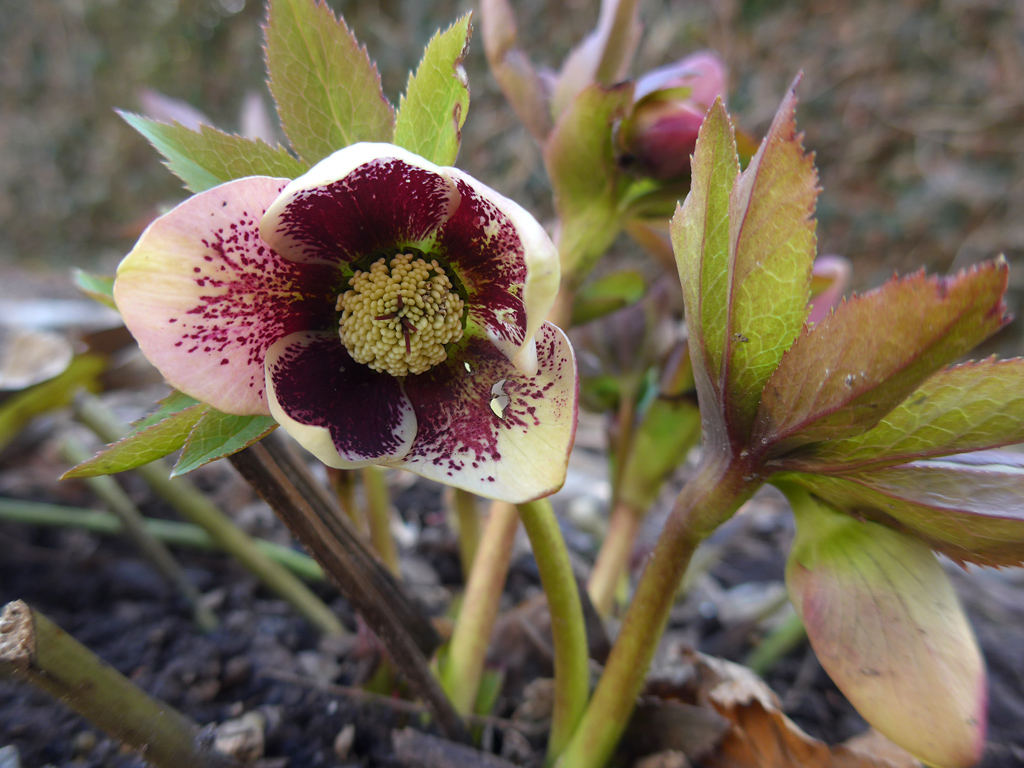
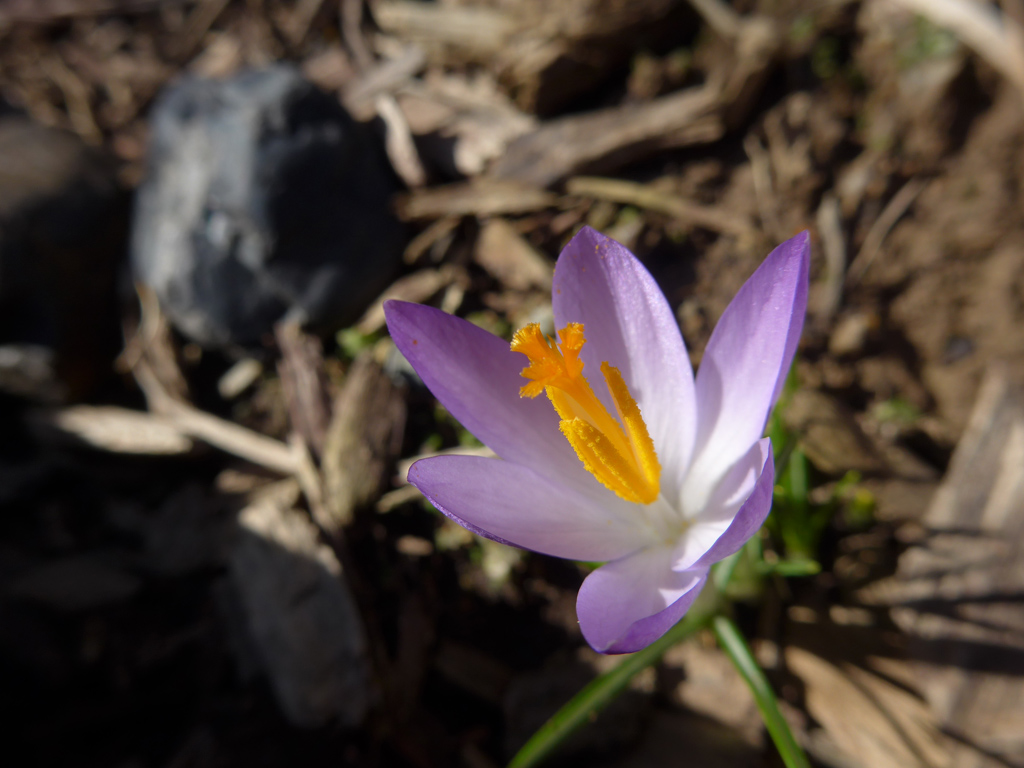
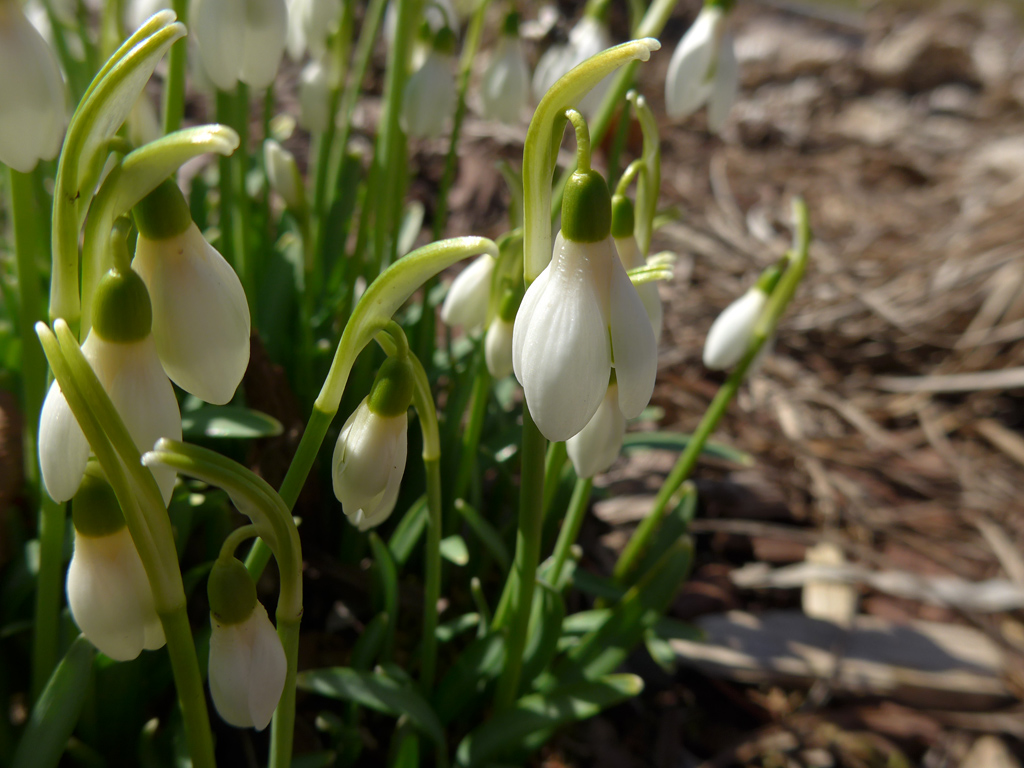
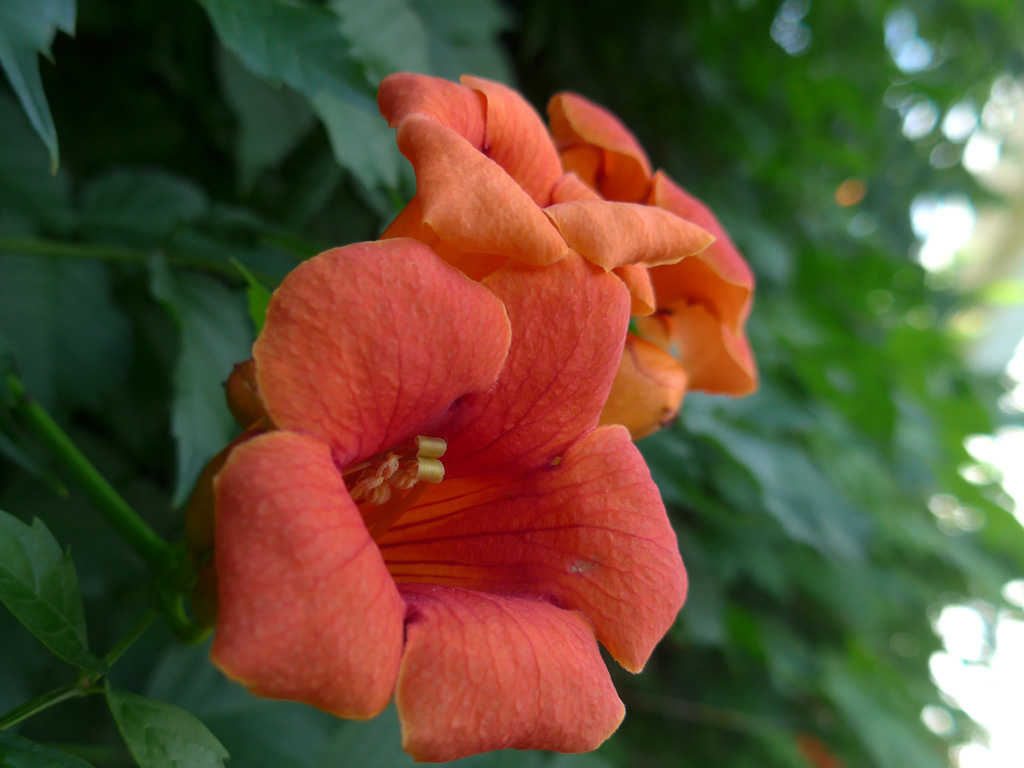
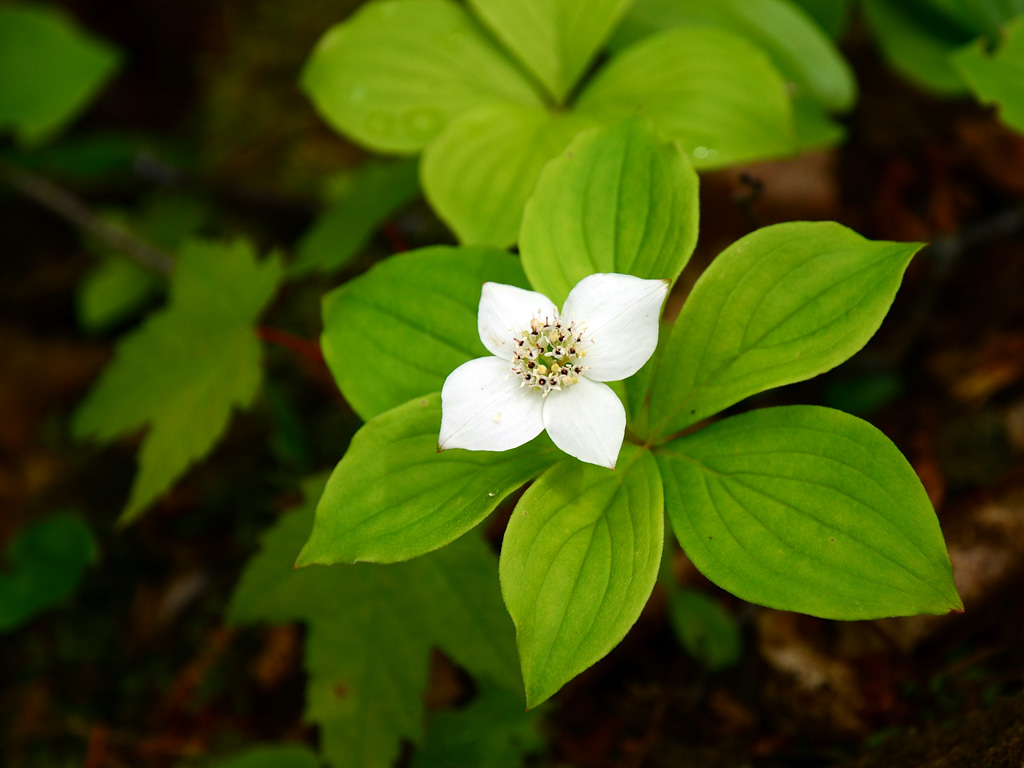
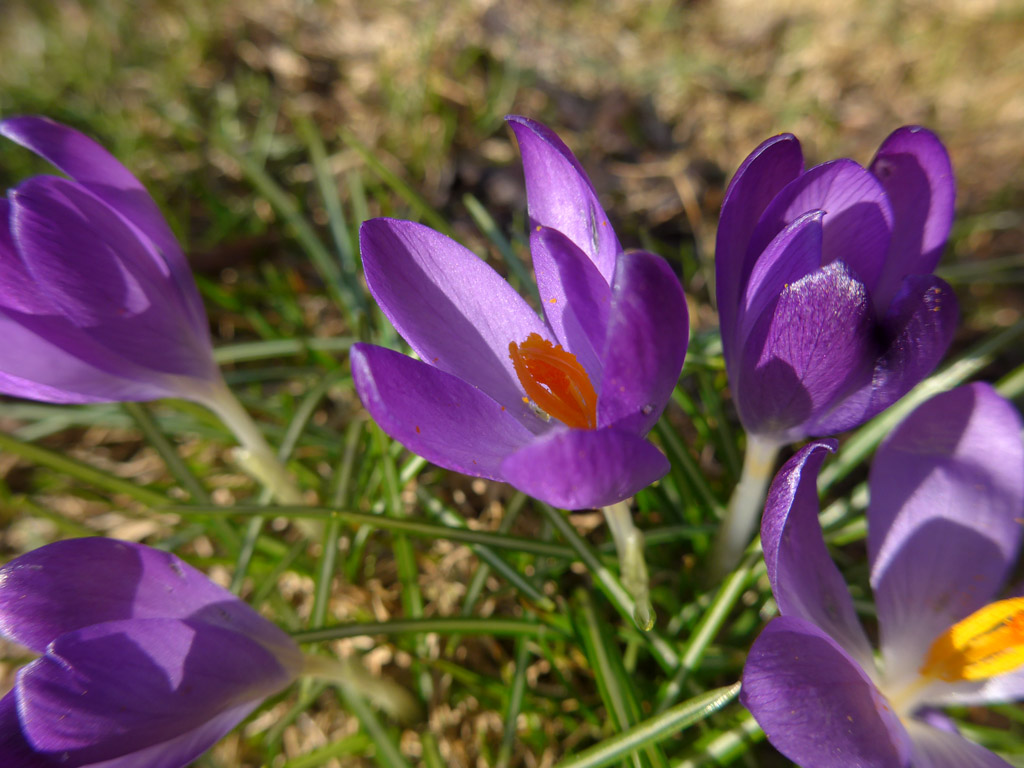
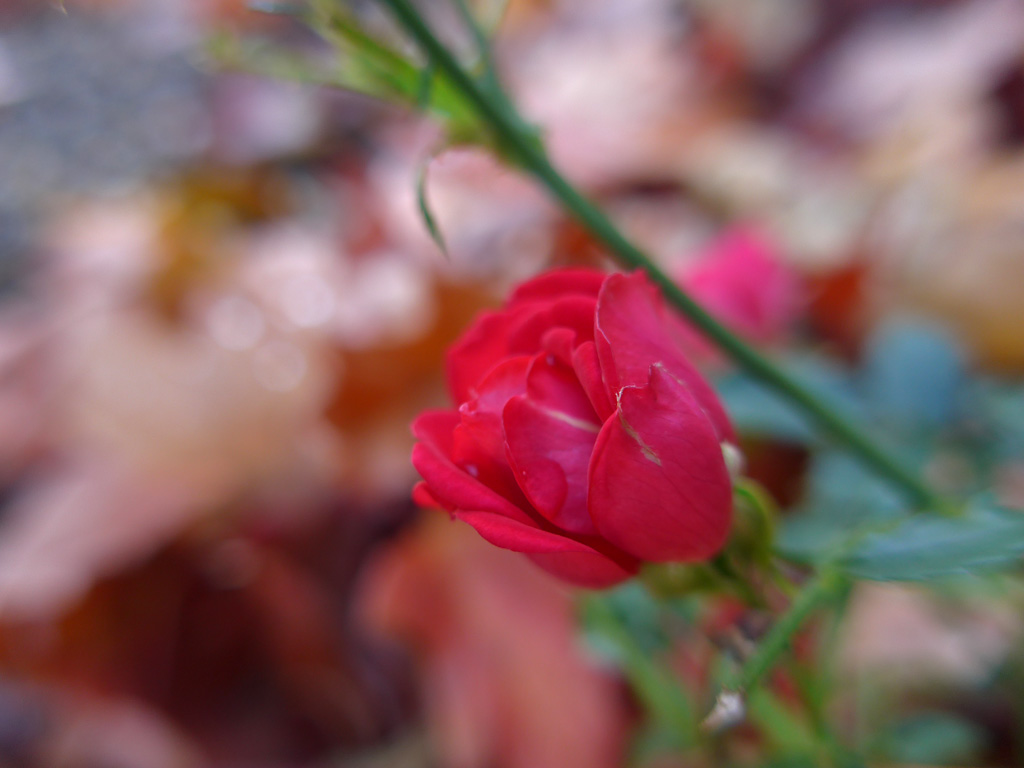
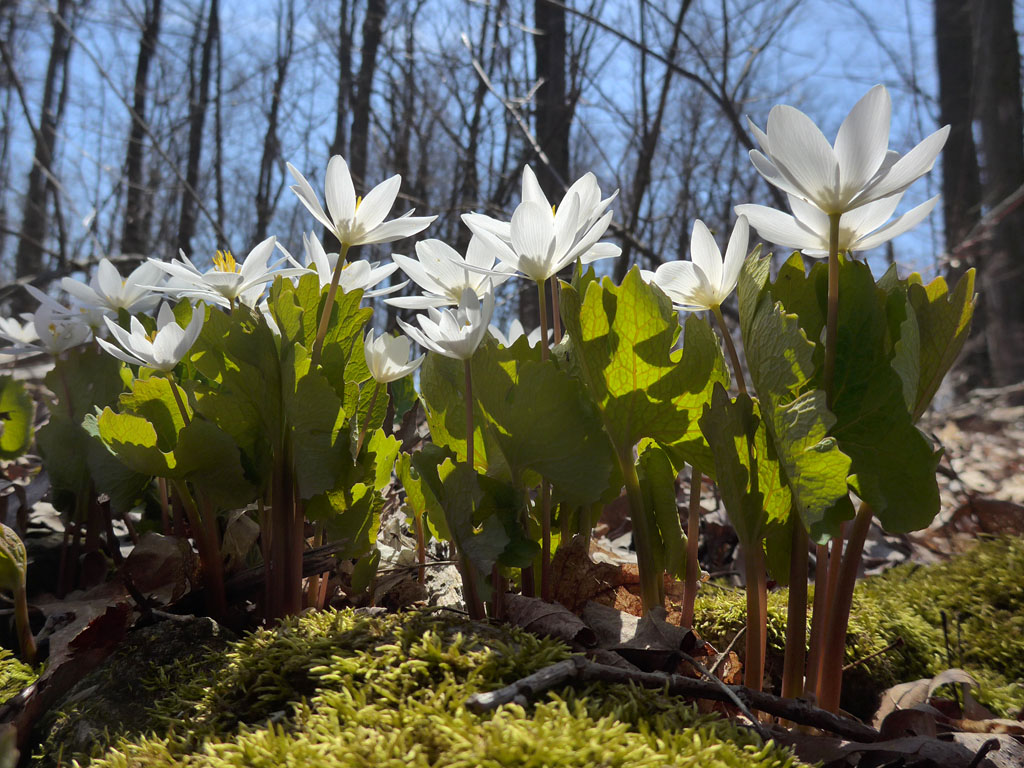
Flowers are a central and unmistakable motif in Art Nouveau. Whether you’re admiring the intricate facade of a historic Art Nouveau building or examining the delicate curves of a hand-crafted piece of furniture, you’ll find that flowers are woven into nearly every aspect of the design.
On the exteriors of buildings, floral patterns are often sculpted into stone, iron, or stucco, climbing across facades like living vines. Inside, they appear as detailed stained glass windows, carved wooden moldings, and even painted murals that wrap around entire rooms. In decorative arts, such as ceramics, vases, and tableware, flowers are stylized into flowing, organic shapes that mimic their natural counterparts while enhancing their elegance and fluidity.
Insects
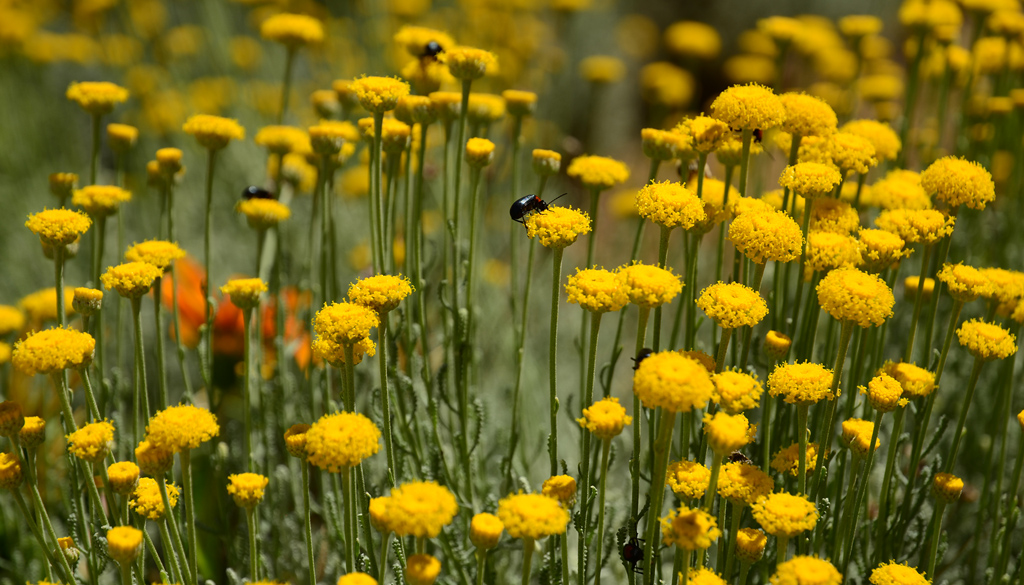
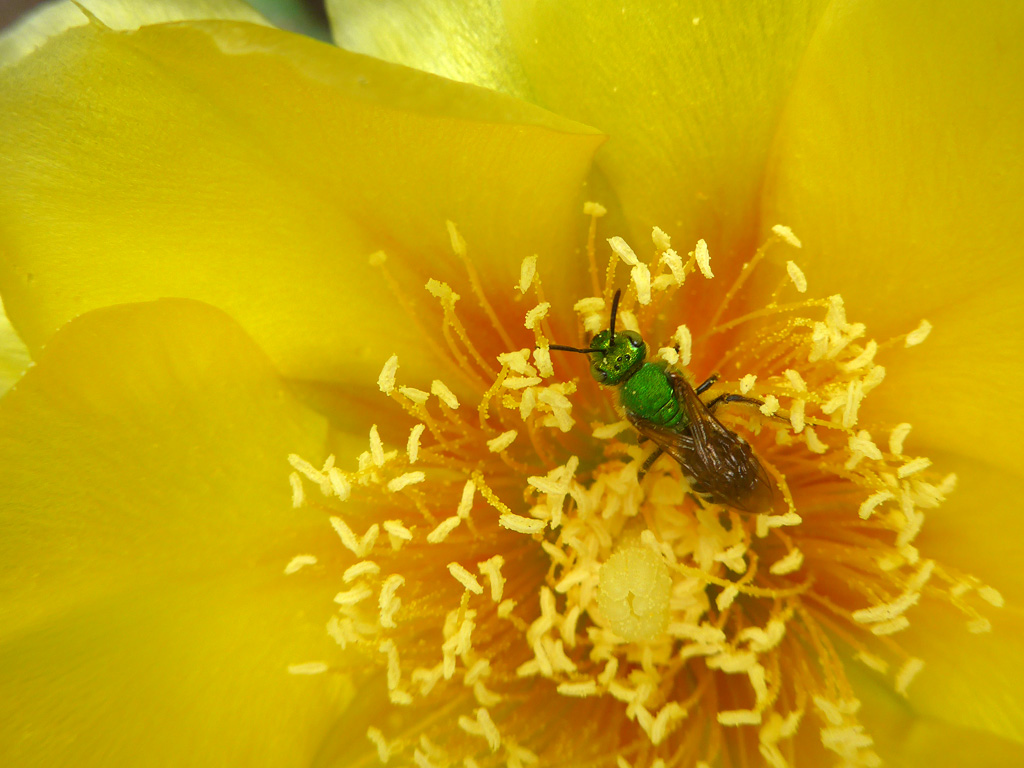
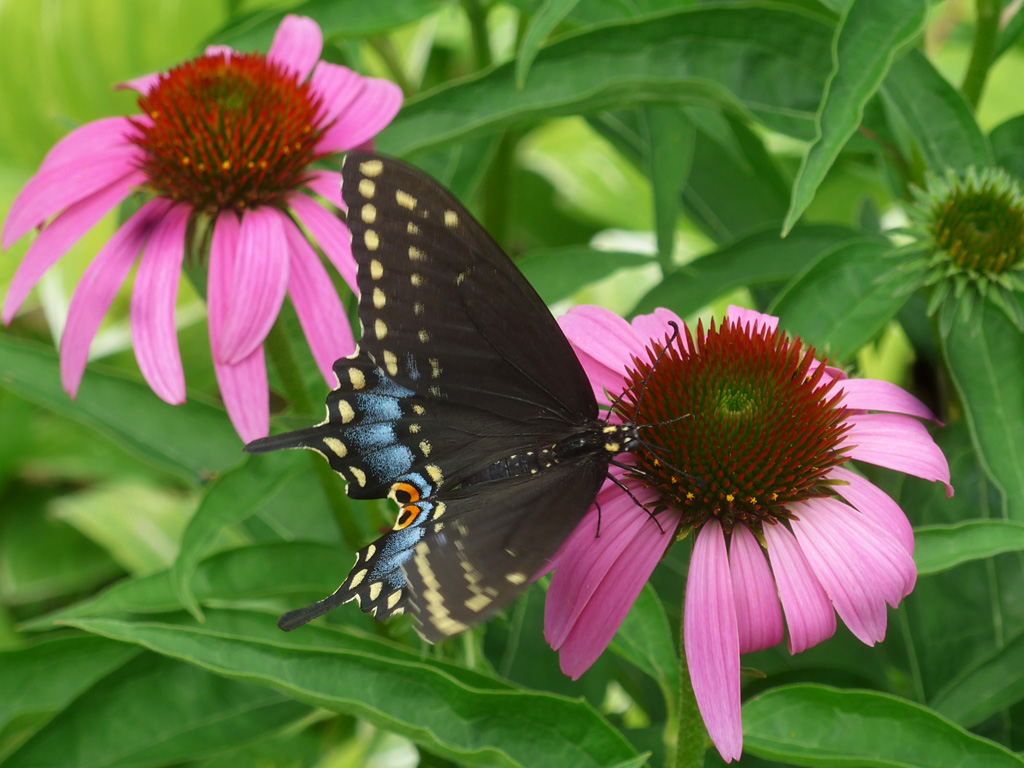
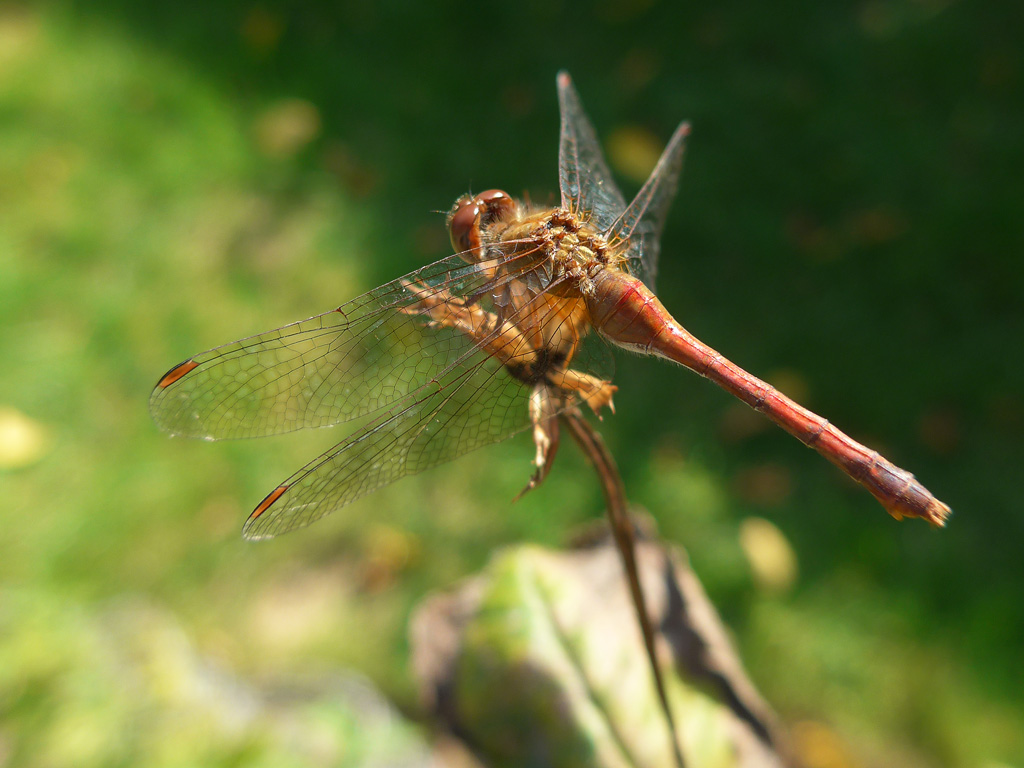
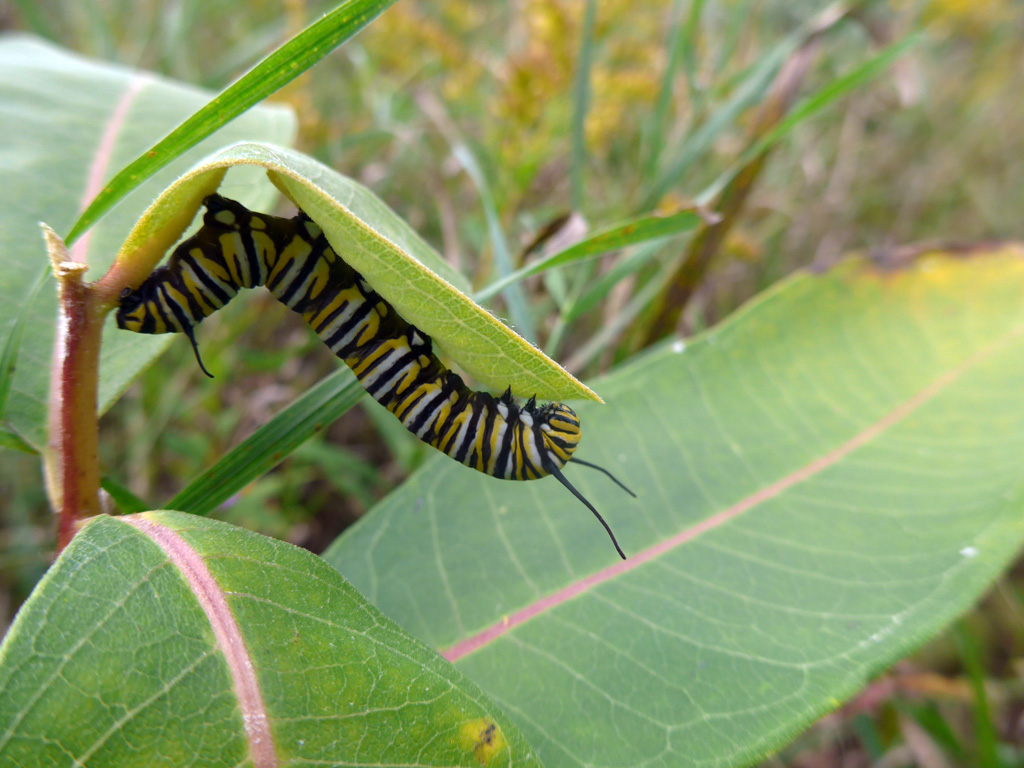
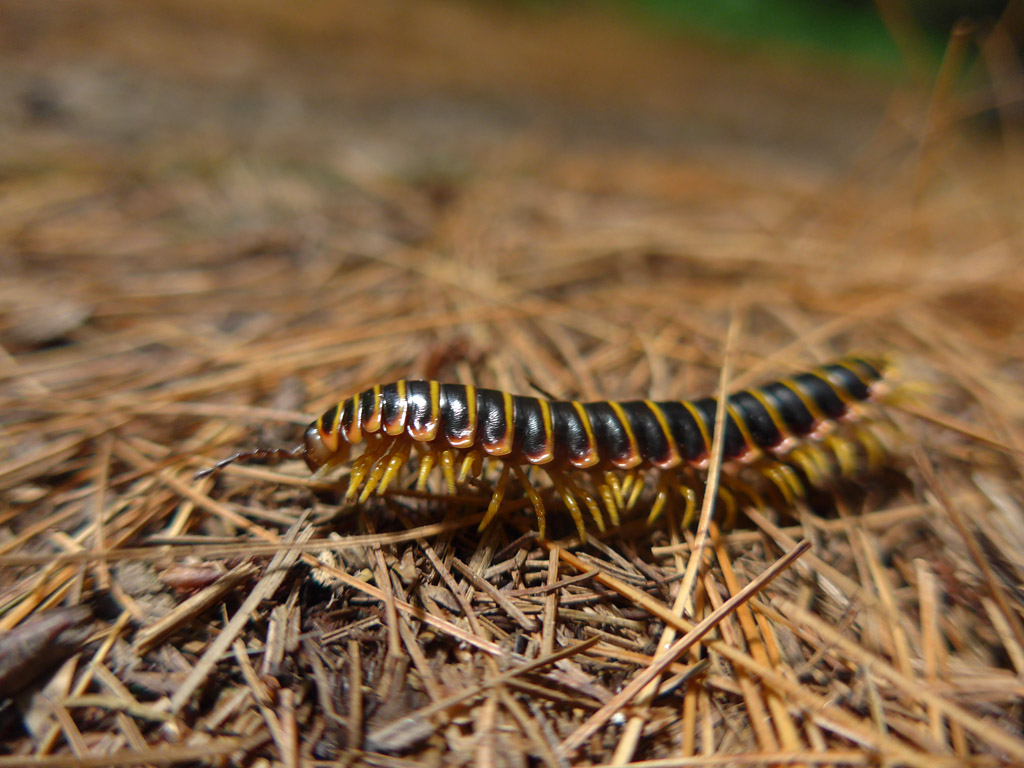
Flying, jumping and climbing, insects are depicted in all forms of Art Nouveau.
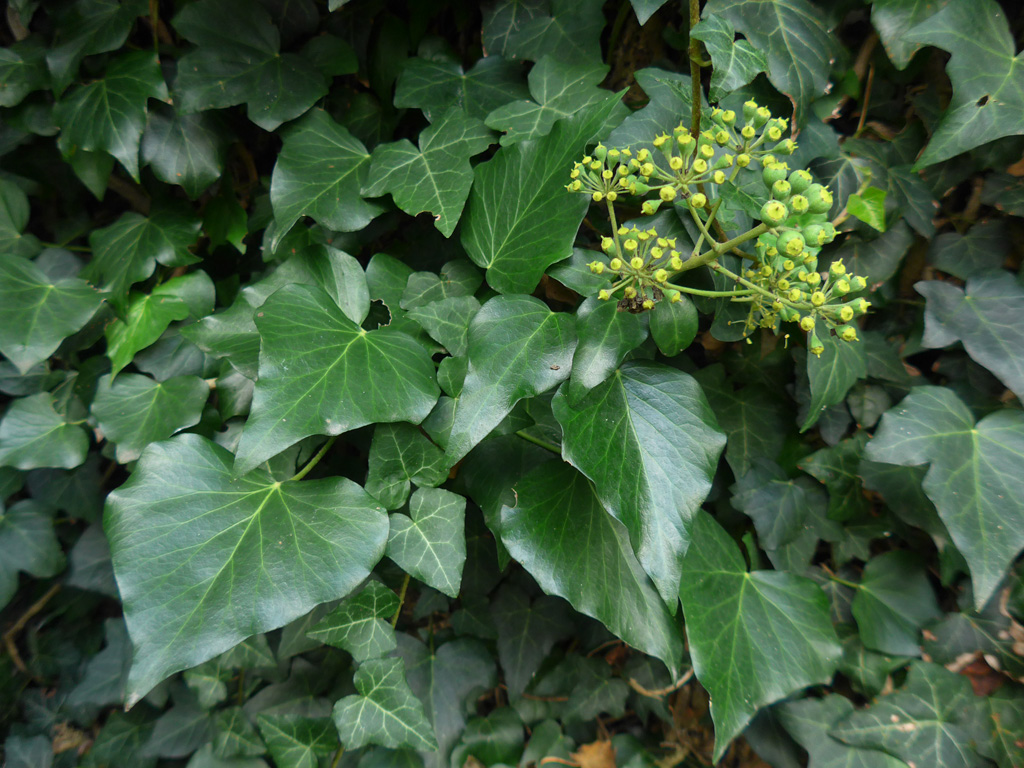
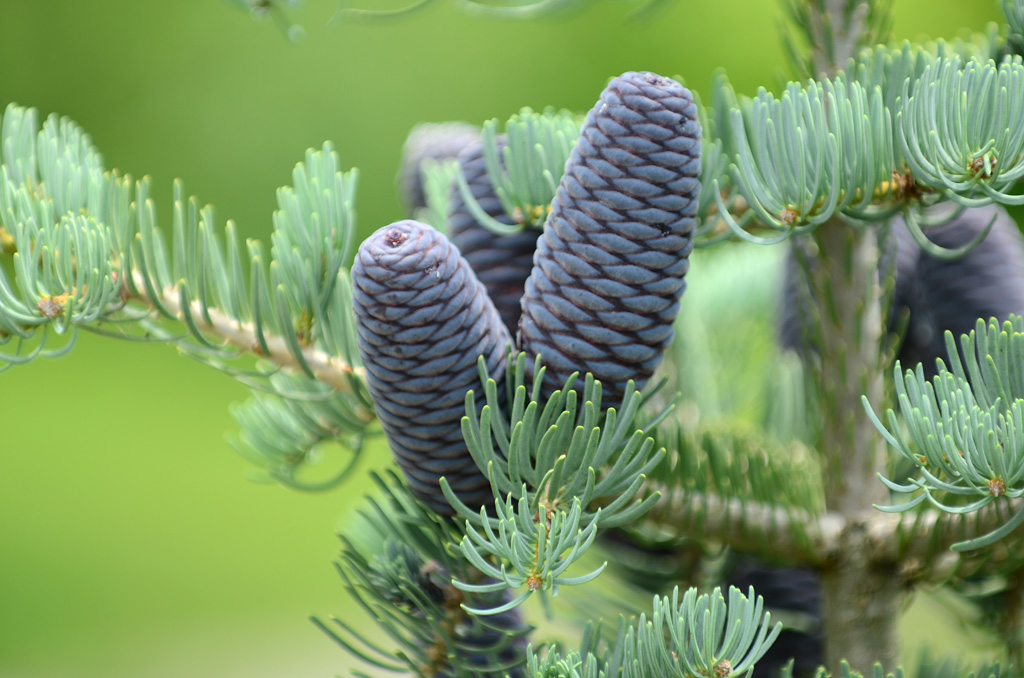
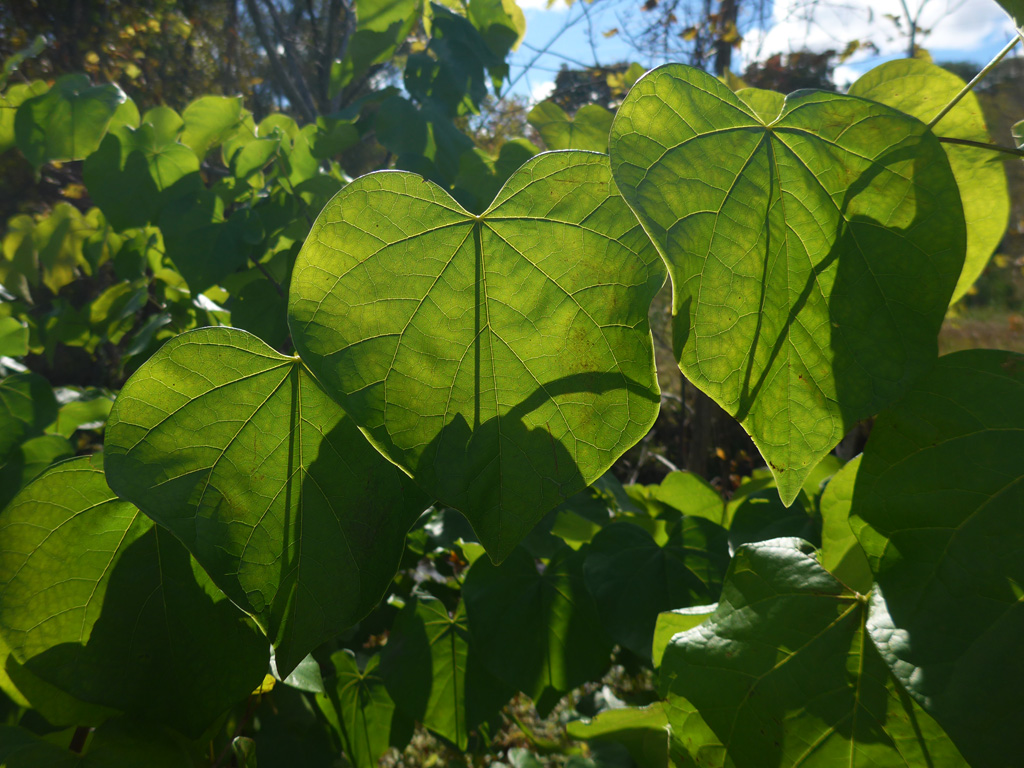
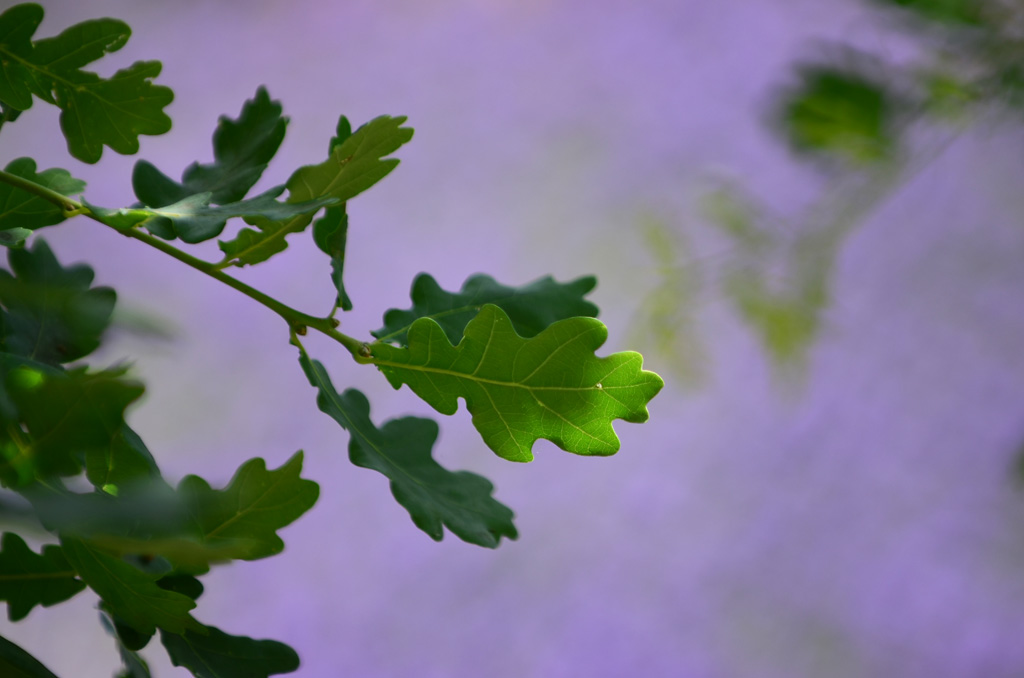
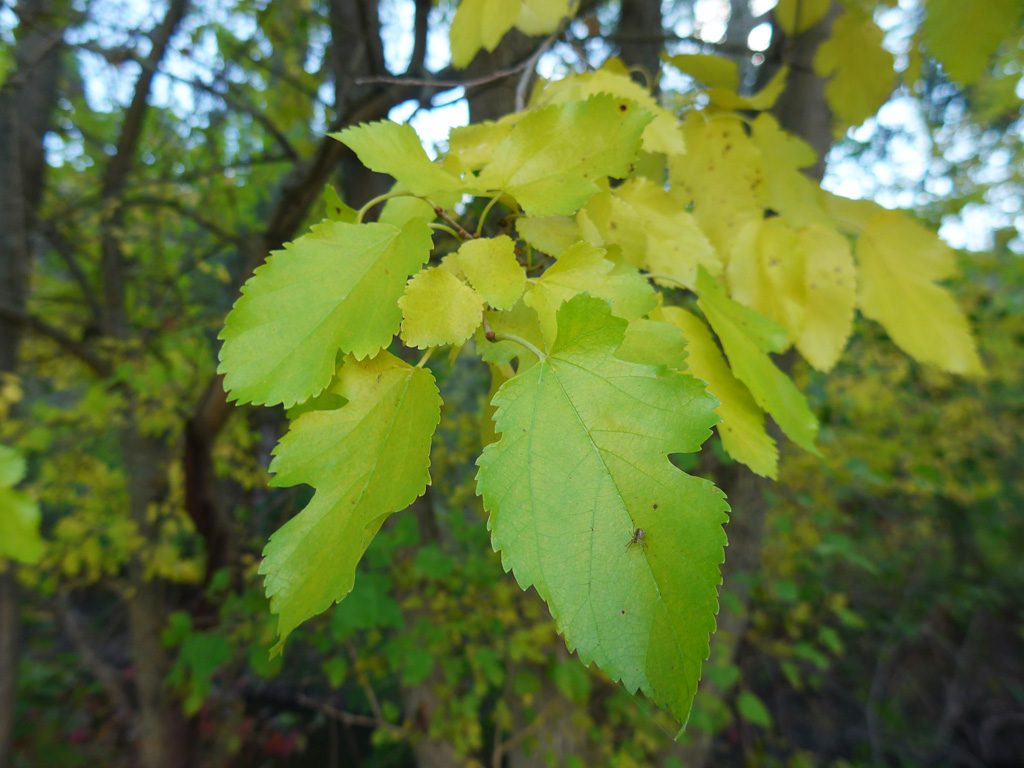
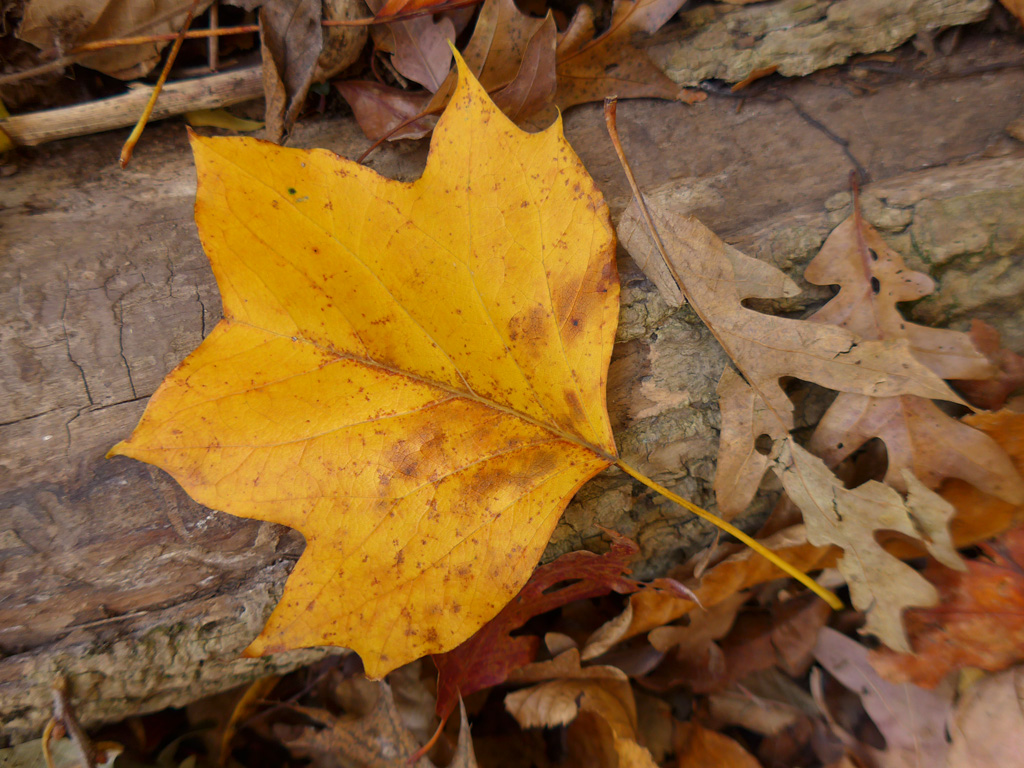
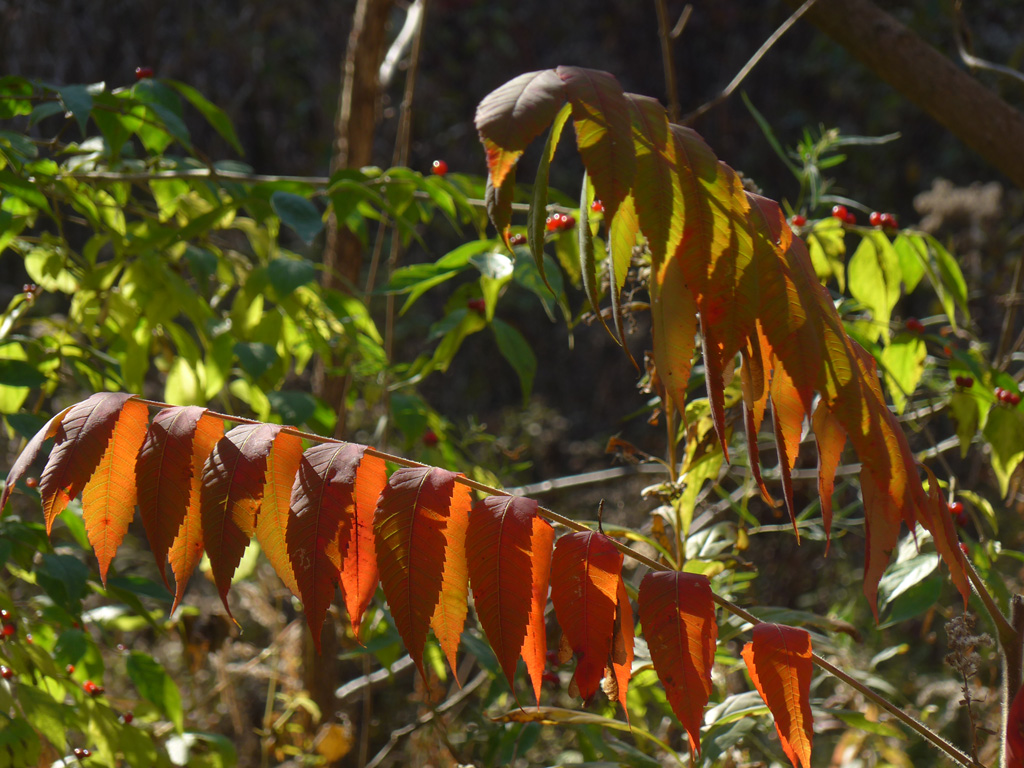
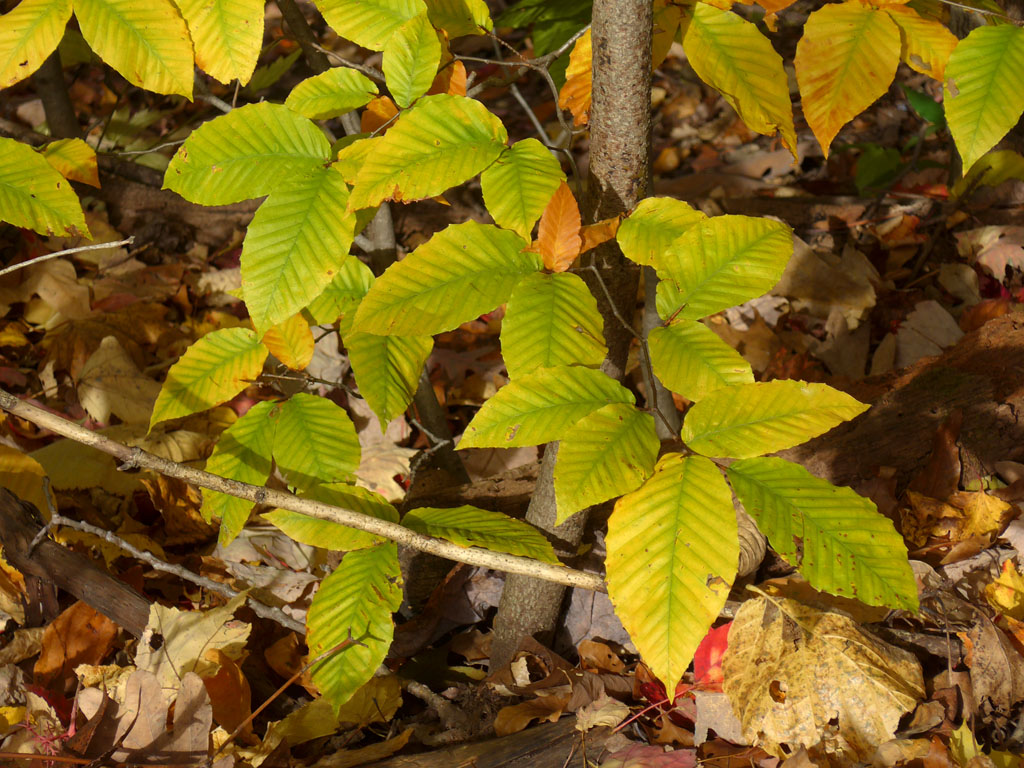
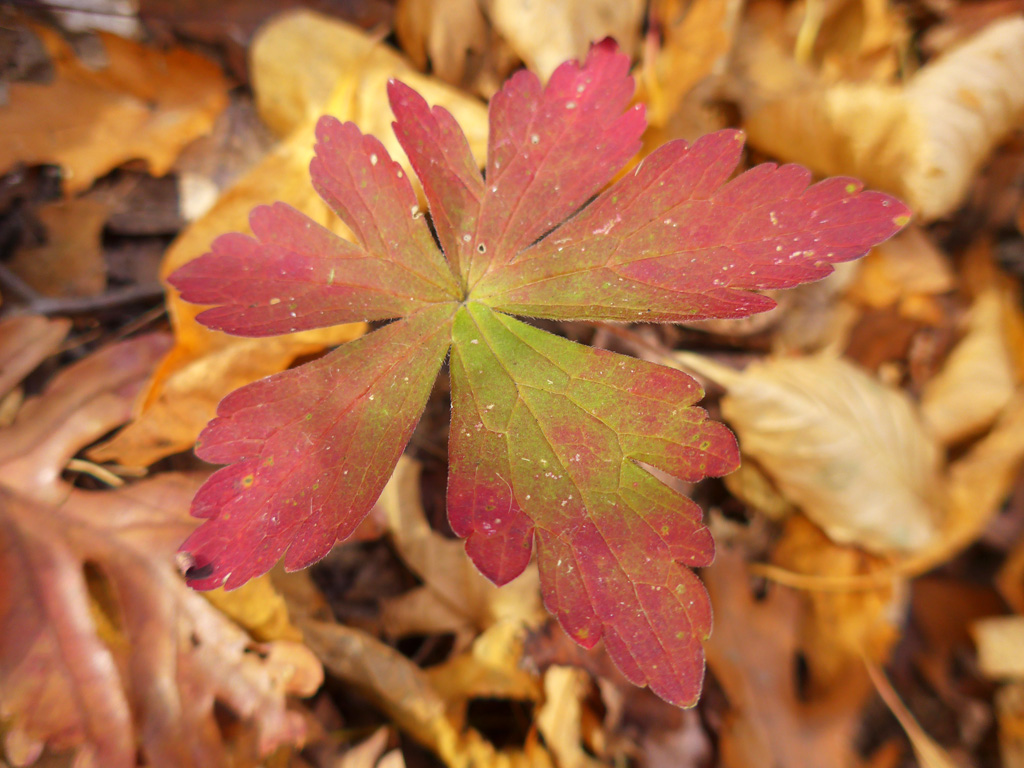
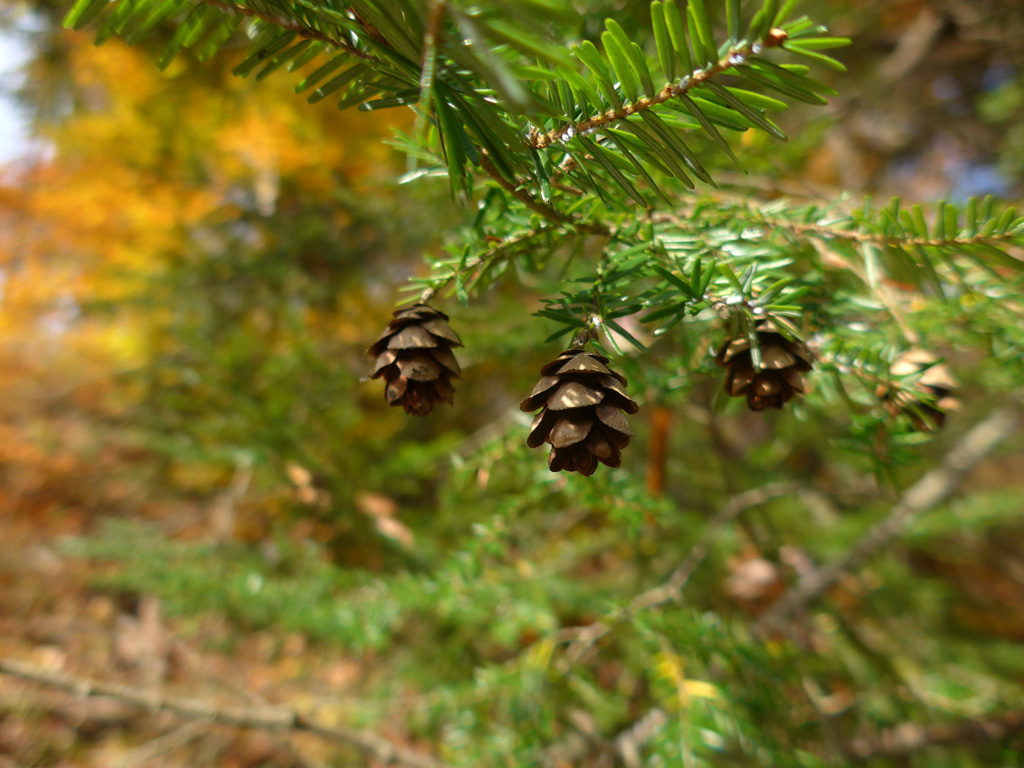
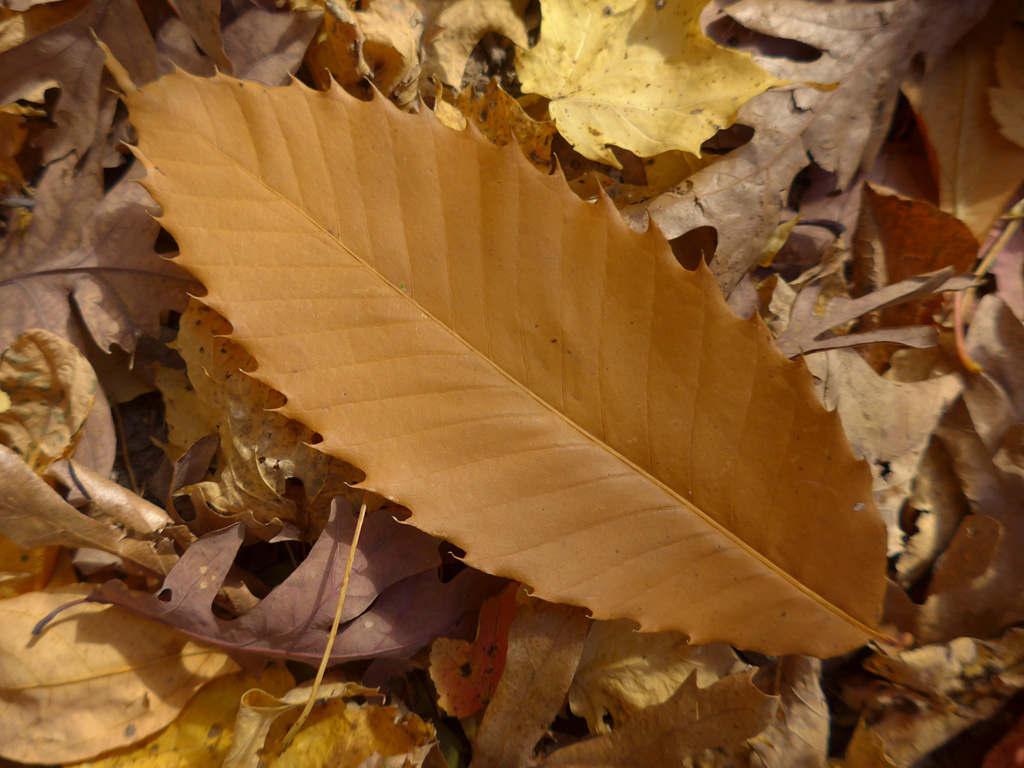
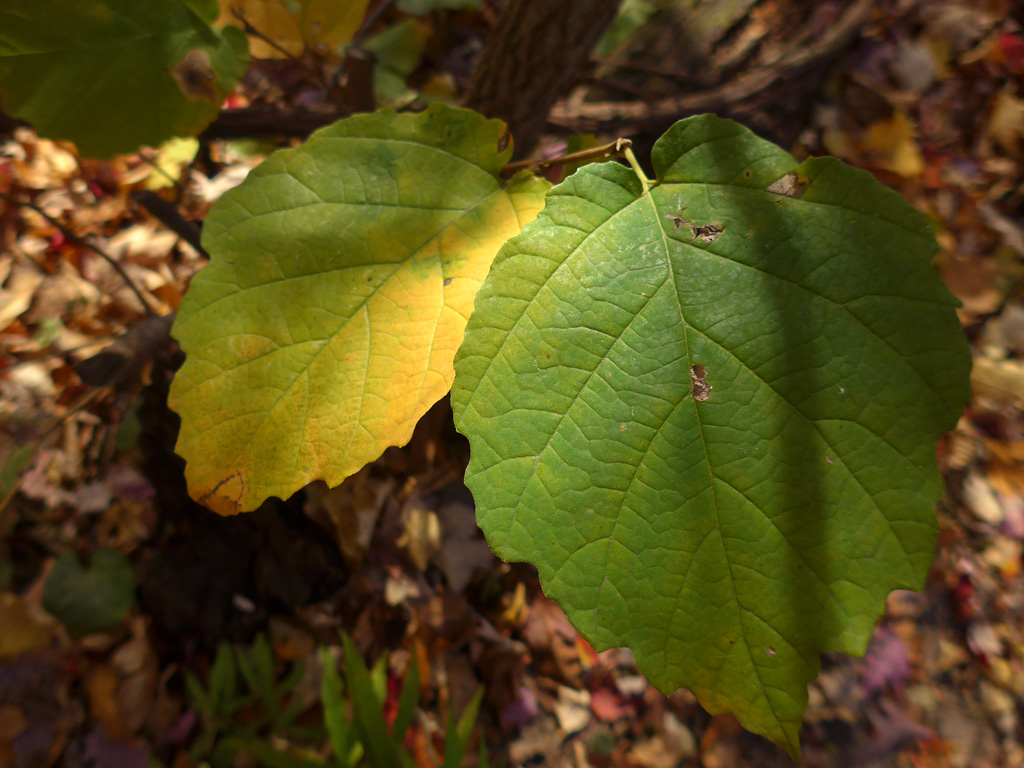
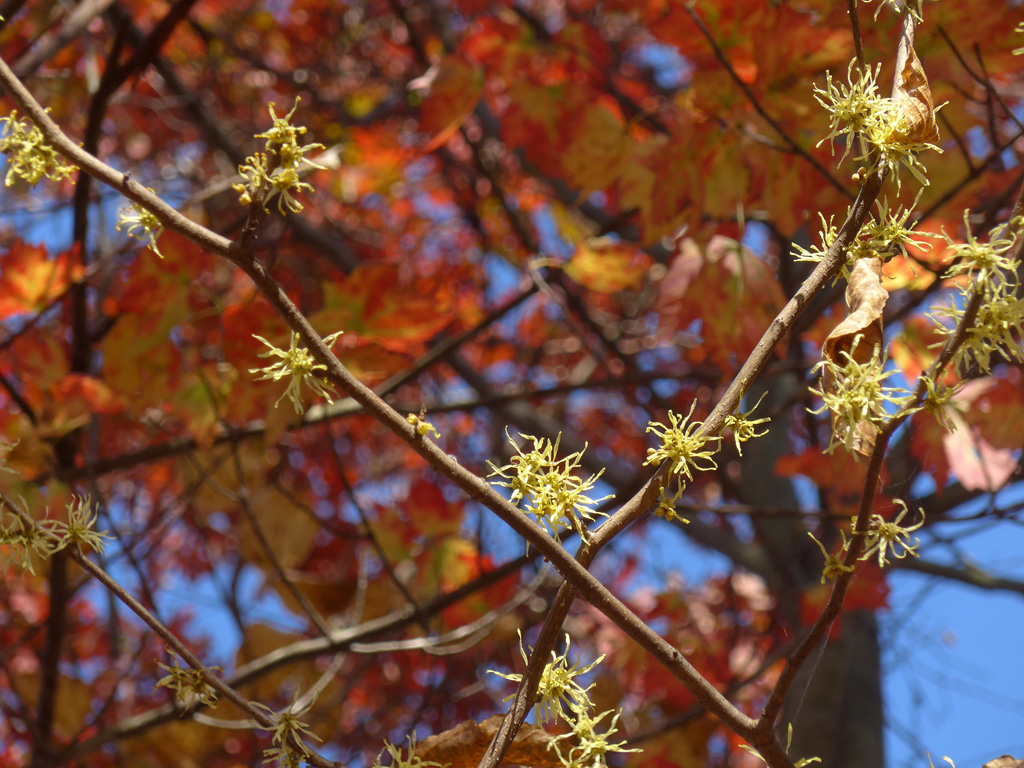
Plants & Trees
Foliage, vines, branches and more.
Reptiles & Amphibians
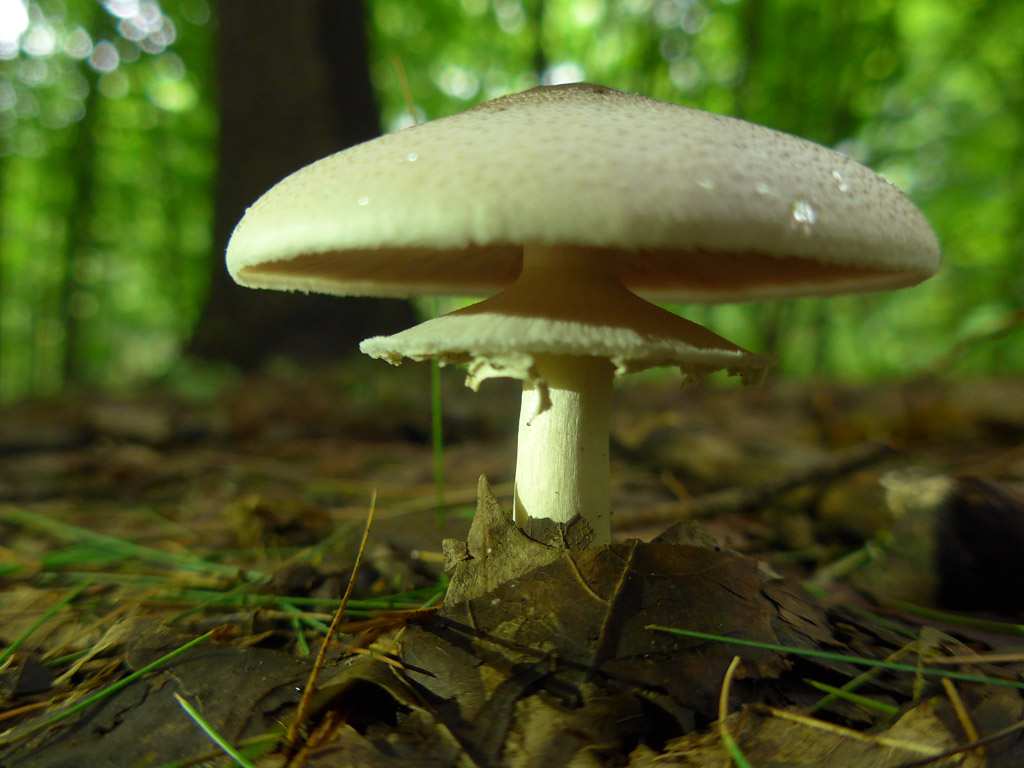
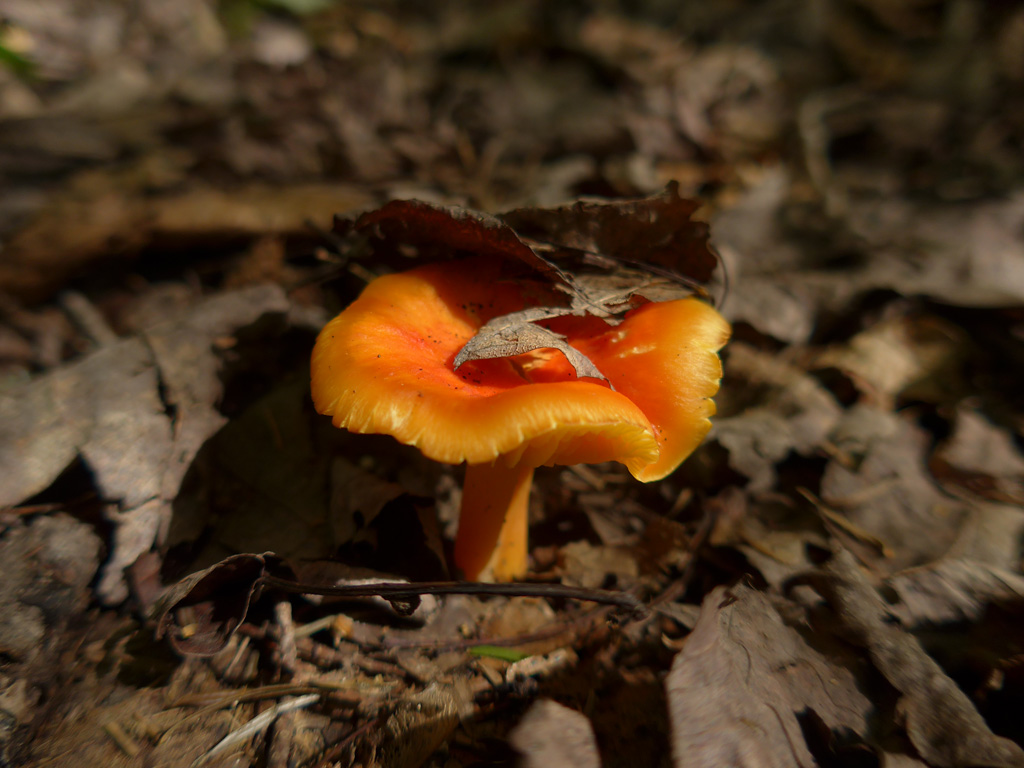
Mushrooms & Fungus
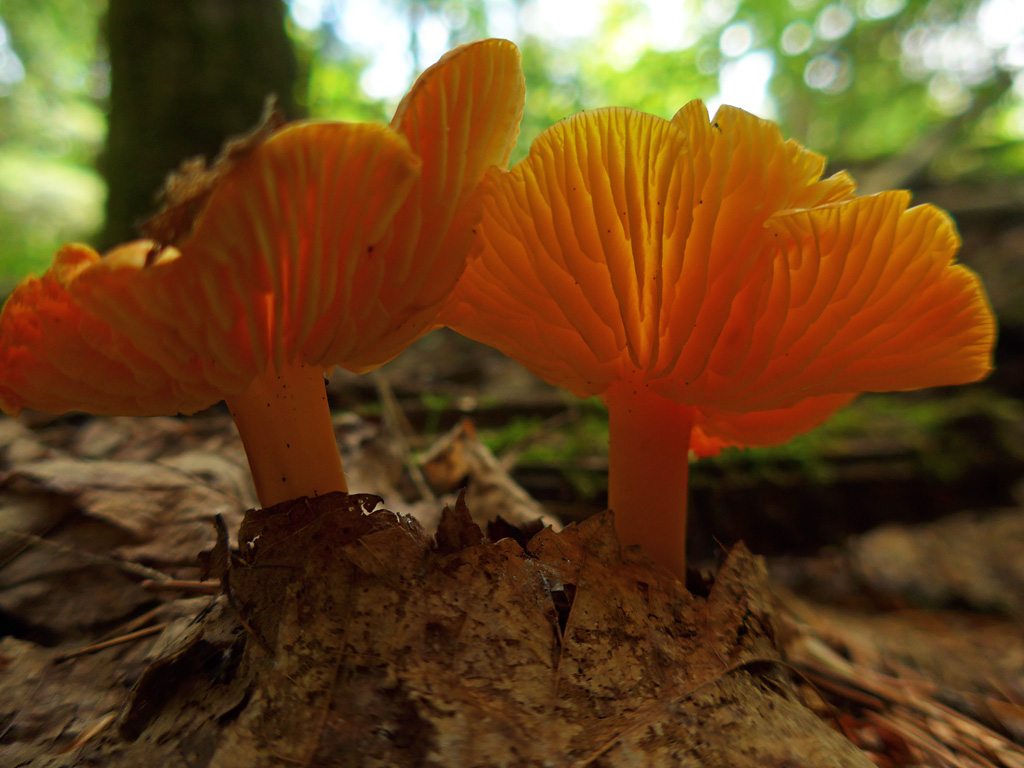
Many a glass and ceramic vase have been sculpted based on mushrooms.
Mammals
Birds
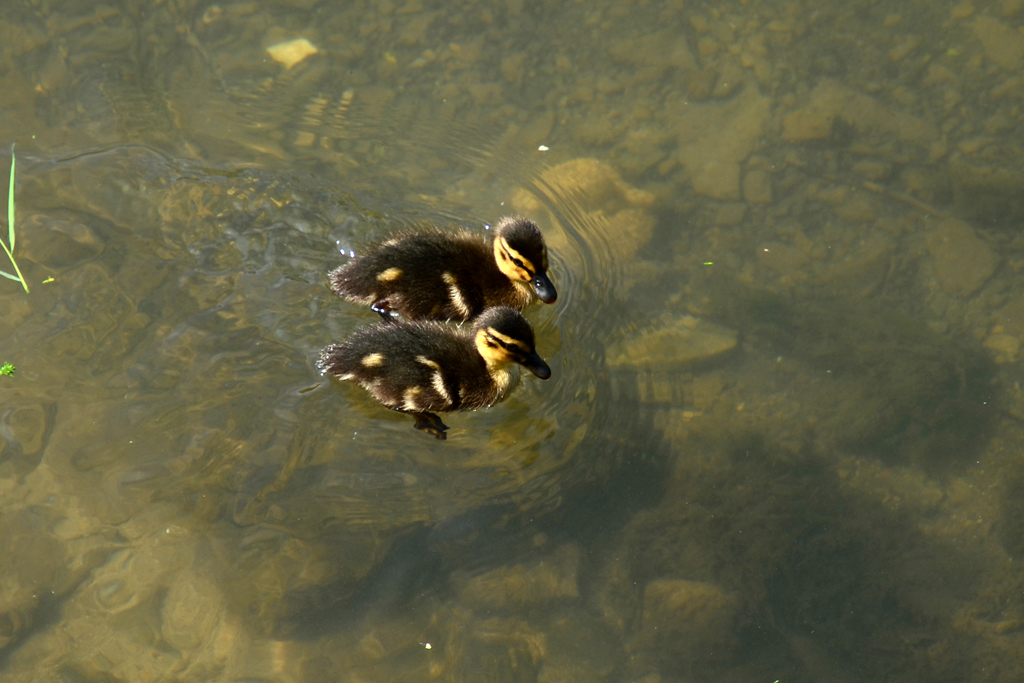
Even our feathered friends are part of it all.