Istrian Riviera During the Belle Époque: Imperial Seaside Resorts & Coastal Elegance
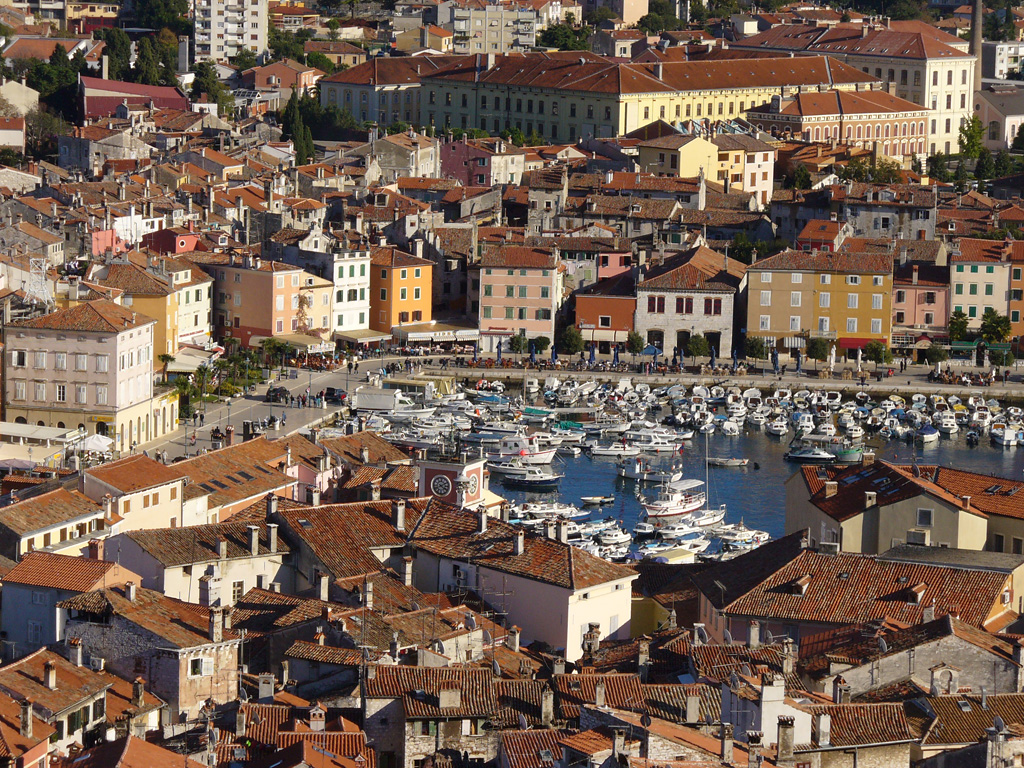
During the Belle Époque, the Istrian Riviera emerged as one of the Austro-Hungarian Empire’s most desirable seaside resort regions. From the late 19th century until World War I, the empire developed this Adriatic coastline as a refined retreat for naval officers, aristocrats, and international travelers seeking health, leisure, and Mediterranean scenery.
The transformation focused on towns such as Pula, Rovinj, Poreč, and the Brijuni Islands, which evolved into fashionable resort destinations. Elegant hotels, spa facilities, seaside villas, and landscaped promenades reshaped the coastline, blending imperial ambition with coastal charm.
Pula became both a major naval base and a Belle Époque resort city, while the Brijuni Islands were developed as an exclusive island retreat for Europe’s elite. Along the coast, decorative architecture combined Neo-Classical symmetry with early Art Nouveau influences, featuring balconies, loggias, pastel façades, and panoramic sea terraces.
Rail and steamship connections linked Istria to Vienna, Graz, and Trieste, allowing visitors to arrive in comfort and style. Public gardens, seaside promenades, and spa complexes became central to social life, reinforcing the Riviera’s identity as a place of elegance and relaxation.
Today, the Istrian Riviera preserves this Belle Époque legacy through its historic hotels, villas, promenades, and civic buildings. The region remains a living monument to the golden age of Austro-Hungarian seaside tourism.