Rijeka During the Belle Époque: Port Palaces, Promenades & Imperial Ambition
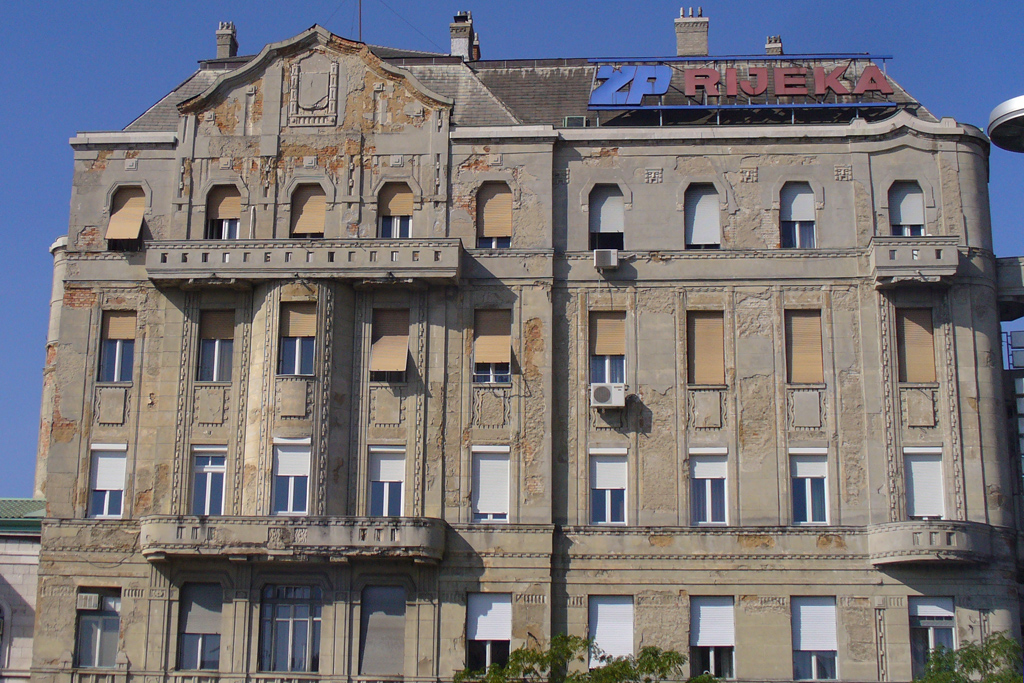
During the Belle Époque, Rijeka rose as one of the most important ports of the Austro-Hungarian Empire. From the late 19th century until World War I, rapid industrial growth and maritime trade brought prosperity that reshaped the city’s urban landscape with monumental architecture and decorative elegance.
New boulevards, civic buildings, and apartment palaces lined the expanding city center, blending Neo-Renaissance, Neo-Baroque, and early Art Nouveau influences. Grand façades, sculpted ornamentation, and wrought iron balconies reflected the confidence of a city at the height of its power.
The port itself became a symbol of modernity, with warehouses, shipping offices, and passenger terminals designed to impress international visitors arriving by sea. Public squares, theaters, and hotels created a refined social environment for merchants, shipowners, and travelers from across Europe.
Rijeka’s Belle Époque architecture is most visible along the Korzo promenade and surrounding streets, where historic buildings form a cohesive late-19th-century cityscape. These structures reveal the city’s transformation from a medieval port into a modern imperial metropolis.
Today, Rijeka preserves this architectural legacy, offering one of the Adriatic’s most striking Belle Époque urban environments. Its grand civic buildings and historic façades continue to tell the story of an era defined by ambition, elegance, and international connection.