Beaux-Arts Architecture – Grand Civic & Cultural Buildings
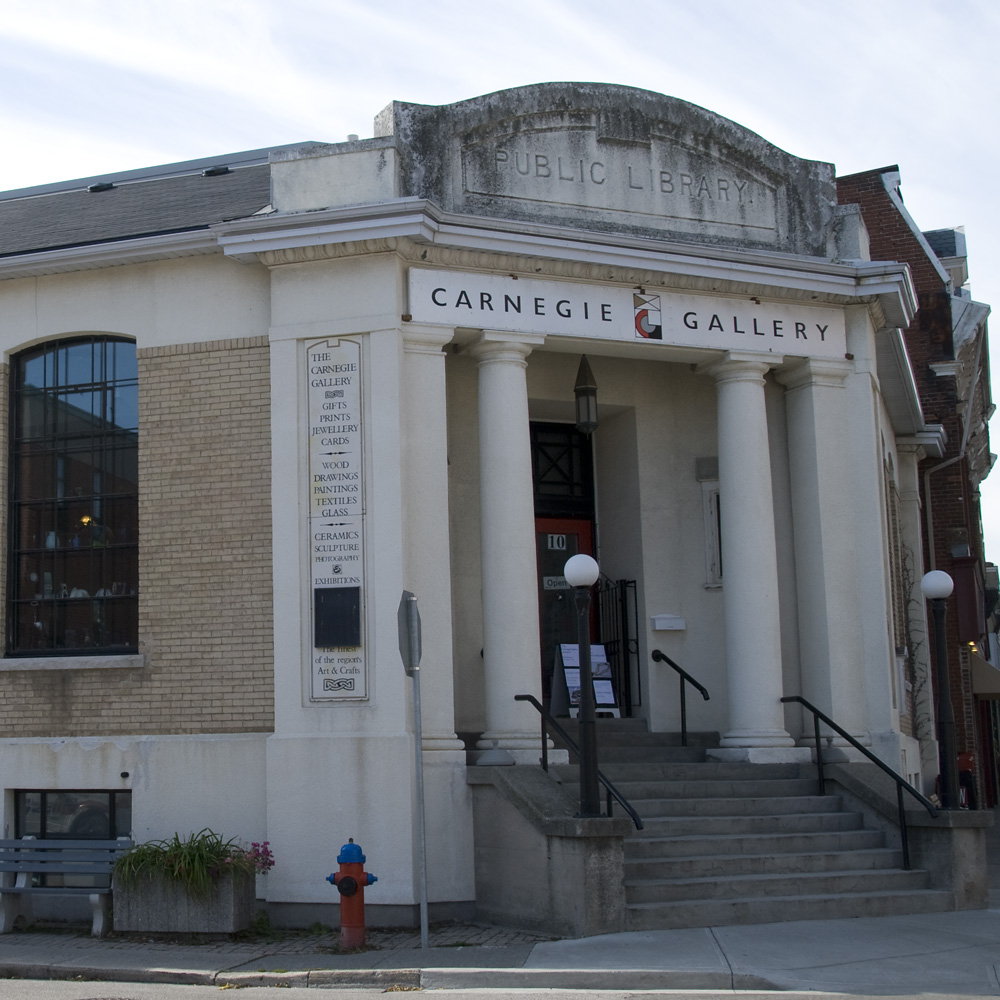
Beaux-Arts architecture represents one of the most grand, theatrical, and meticulously crafted styles to emerge from the late 19th and early 20th centuries. Rooted in the teachings of the École des Beaux-Arts in Paris, this movement blends classical Greek and Roman influences with Renaissance refinement and an emphasis on symmetry, hierarchy, and ornamentation. Its buildings are instantly recognizable by their monumental scale, rich sculptural details, and carefully orchestrated façades featuring columns, balustrades, arched windows, and elaborate stonework. Beaux-Arts was designed to impress—its purpose was to communicate cultural prestige, civic pride, and artistic mastery through architecture that felt both timeless and modern for its era.